Dog poop kills grass because its high nitrogen content and acidic nature burn the roots while the physical waste blocks essential sunlight. Frequent waste accumulation is the primary reason for dog poop killing lawn Frisco Texas yards; professional removal restores soil balance and prevents the growth of unsightly weeds.
Maintaining a lush, green lawn in the Frisco heat is a point of pride for many homeowners; however, those stubborn yellow patches are likely telling a story you do not want to hear. While many believe pet waste acts as a natural fertilizer, the reality is that the high protein diets of modern dogs create a concentrated nitrogen bomb that chemically burns your delicate turf. This issue goes beyond simple aesthetics; it affects the long-term health of your soil and can lead to unnecessary complications with local HOA standards. In this guide, we will explore the science of nitrogen burn, how Frisco grass varieties like Bermuda and St. Augustine react to waste, and why professional removal is the most effective way to preserve your investment and restore your backyard.
The Myth of Natural Fertilizer: Why Your Dog Is Not Helping the Grass
A common misconception among homeowners is that dog waste serves as a natural fertilizer for their yards. In reality, dog poop killing lawn Frisco Texas landscapes is a frequent issue caused by a fundamental misunderstanding of animal biology. While cow manure is a staple for gardeners, the distinction between the waste of a herbivore and a carnivore is vital to understand.
Cows consume a diet primarily of grass and grains, resulting in manure that is rich in organic matter and relatively low in nitrogen. Dogs, however, eat diets heavy in protein. When this protein breaks down, it creates waste with high acidity and extremely concentrated nitrogen levels. Instead of acting as a slow release nutrient, pet waste delivers a chemical shock to the soil that effectively poisons the turf. This is why you see dead patches rather than lush growth where waste has sat.
The Environmental Protection Agency (EPA) reinforces this danger by classifying pet waste as a non-point source pollutant. This designation places dog waste in the same category as toxic chemicals, motor oil, and pesticides. It is an environmental pollutant that introduces harmful pathogens into the ecosystem, rather than a beneficial soil amendment. Because of this toxicity, leaving waste on the ground is never a favor to your grass; it is a localized environmental hazard. Managing this risk requires flexible scheduling for pet waste removal to ensure these toxins do not accumulate and permanently damage your soil's pH balance.
The Nitrogen Burn: Understanding the Science of Lawn Damage
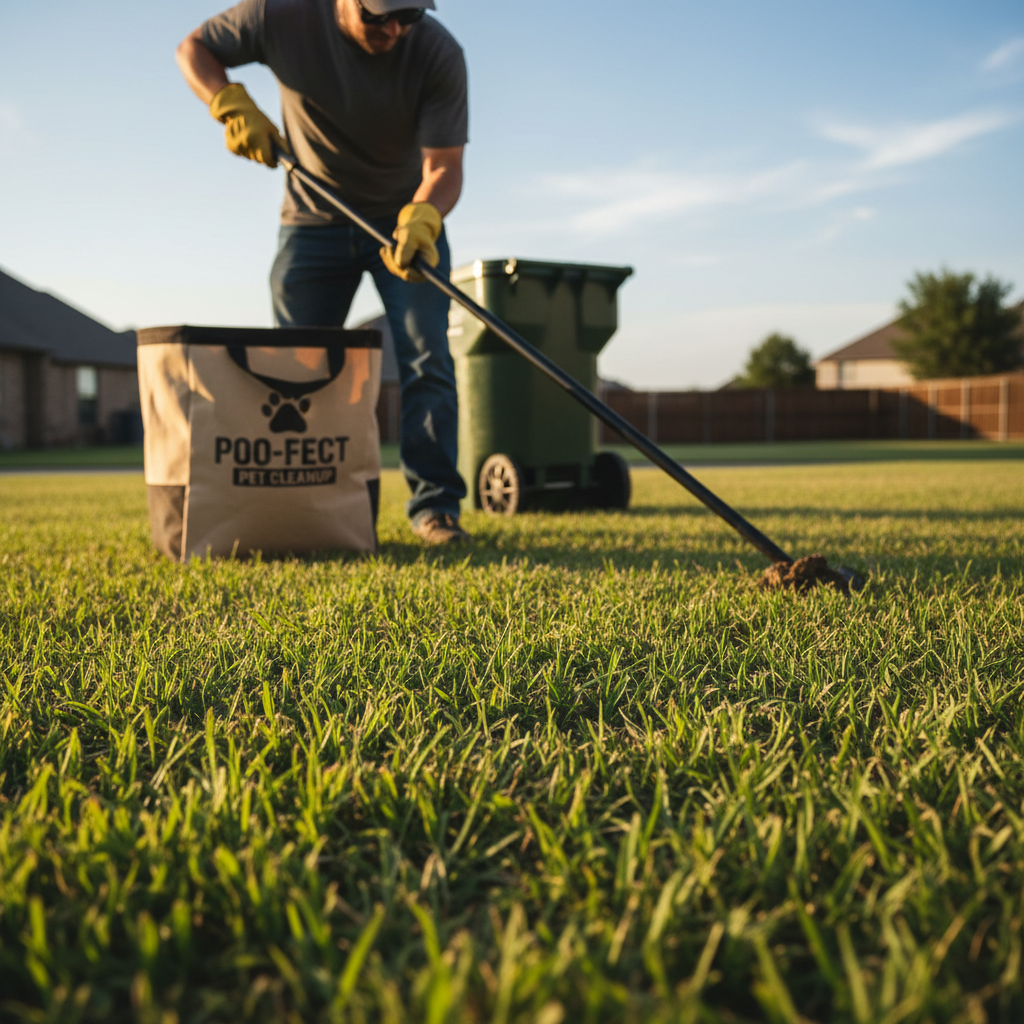
Nitrogen is a primary component of high quality lawn fertilizers, yet when delivered via pet waste, it behaves as a caustic agent. This phenomenon, known as nitrogen burn, occurs because dog waste contains high concentrations of nitrogenous compounds and salts. When a pile of waste sits on the turf, these substances leach into the soil in a localized hot spot. Instead of nourishing the plant, the high salt concentration pulls moisture out of the grass through a process called osmotic dehydration, effectively killing the blades and roots from the inside out.
The visual evidence of this chemical reaction is the distinct yellow circle effect. You will typically see a dead, straw colored center where the waste was most concentrated. Surrounding this scorched earth is often a ring of lush, dark green grass. This occurs because the nitrogen levels at the perimeter have been diluted by the soil and moisture enough to reach a beneficial level, essentially fertilizing the grass at the edge while poisoning the center. While the green ring might look healthy, it highlights the uneven nutrient distribution that ruins the uniform appearance of your landscape. This specific pattern is a tell-tale sign of dog poop killing lawn Frisco Texas yards, indicating that the soil chemistry has been severely knocked out of balance.
In Frisco, this damage is particularly stubborn due to our local geography. Much of the North Texas area is characterized by heavy clay soils. Unlike sandy soils that allow water and excess nutrients to flush through quickly, clay is dense and retains moisture and minerals for extended periods. This means the concentrated salts from pet waste become trapped in the clay matrix, maintaining the high acidity and nitrogen levels long after the waste has been removed. Without consistent intervention, these spots can remain barren for months. Establishing pricing for weekly and bi-weekly visits is often the most effective way to ensure waste is removed before it has the chance to bond with the heavy clay and create these persistent burn marks.
Bermuda vs St. Augustine: How Common Frisco Grass Types React to Pet Waste
In Frisco, most homeowners maintain lawns consisting of either Bermuda or St. Augustine grass. Each variety reacts differently to the chemical and biological stress of uncollected waste. Bermuda grass is prized for its drought tolerance and high nitrogen requirements; however, it is ironically one of the quickest to show damage. Because Bermuda is a heavy feeder, the extreme spike in nitrogen from a single deposit quickly exceeds what the plant can process. This leads to the rapid appearance of scorched yellow spots that disrupt the uniform, manicured look many Frisco neighborhoods strive to maintain.
St. Augustine grass presents a different set of challenges. This variety has wider blades and a denser growth habit, making it particularly susceptible to fungal issues. When pet waste is left on St. Augustine, the combination of trapped moisture and fecal bacteria can trigger Large Patch, a devastating fungal disease also known as Brown Patch. This fungus thrives in the humid microclimate created beneath a pile of waste, often spreading far beyond the initial contact point. In these cases, dog poop killing lawn Frisco Texas environments is not just a nitrogen issue but a biological one that can compromise the health of the entire turf system.
The intense North Texas heat further complicates these issues for both grass types. High temperatures accelerate the decomposition of organic matter, which leads to lawn suffocation. As the waste breaks down rapidly in ninety degree weather, it forms a thick, anaerobic seal over the grass. This barrier blocks essential sunlight and prevents oxygen exchange at the root level. Utilizing flexible scheduling for pet waste removal ensures that waste is cleared before the heat turns a temporary mess into a permanent dead zone in your turf.
The 12 Inch Rule and Beyond: Frisco HOA and City Maintenance Standards
Maintaining a healthy lawn in Frisco is more than a matter of personal pride; it is a requirement for municipal and neighborhood compliance. The City of Frisco enforces strict property maintenance codes, specifically stating that grass and weeds must not exceed a height of 12 inches. When uncollected dog poop killing lawn Frisco Texas landscapes creates dead zones, it inadvertently prepares a perfect seedbed for invasive species. As the nitrogen-heavy waste scorches the Bermuda or St. Augustine grass, it leaves behind bare, nutrient-dense soil. Opportunistic weeds quickly colonize these patches and, fueled by the residual nitrogen, grow at a significantly faster rate than the surrounding turf. These rapid growers can easily surpass the 12 inch height limit before your next scheduled mow, potentially triggering a city citation.
Beyond city ordinances, the majority of Frisco residential areas are governed by Homeowners Associations with rigorous standards for curb appeal. These organizations prioritize a uniform, lush green appearance across the neighborhood. Brown, dead patches caused by pet waste are highly visible from the street and often serve as a catalyst for violation notices or fines. Consistent waste removal is a strategic move to preserve property value and avoid the administrative headache of HOA disputes. Establishing pricing for weekly and bi-weekly visits ensures your yard remains compliant, aesthetic, and free from the weed invasions that follow turf damage.
Beyond the Burn: Pests and Pathogens Attracted to Waste
While city citations and HOA fines are frustrating, the biological risks posed by uncollected waste represent a deeper threat to your family's outdoor lifestyle. When dog poop killing lawn Frisco Texas yards remains on the turf, it acts as a beacon for unwanted pests. Flies and gnats are the most immediate arrivals, but protein-rich waste also attracts rodents such as rats and mice. These pests often transition from your backyard into your home, bringing their own set of hygiene concerns.
The invisible damage is even more concerning. Pet waste is a primary vector for zoonotic diseases, which are illnesses that can spread from animals to humans. Bacteria like E. coli and Salmonella thrive in the moist environment provided by a waste pile. Even after the physical waste is removed, parasites such as roundworms and hookworms can leave behind eggs that persist in Frisco's heavy clay soil for years. These pathogens are resilient against the Texas sun and can be easily tracked into your home on shoes or paws.
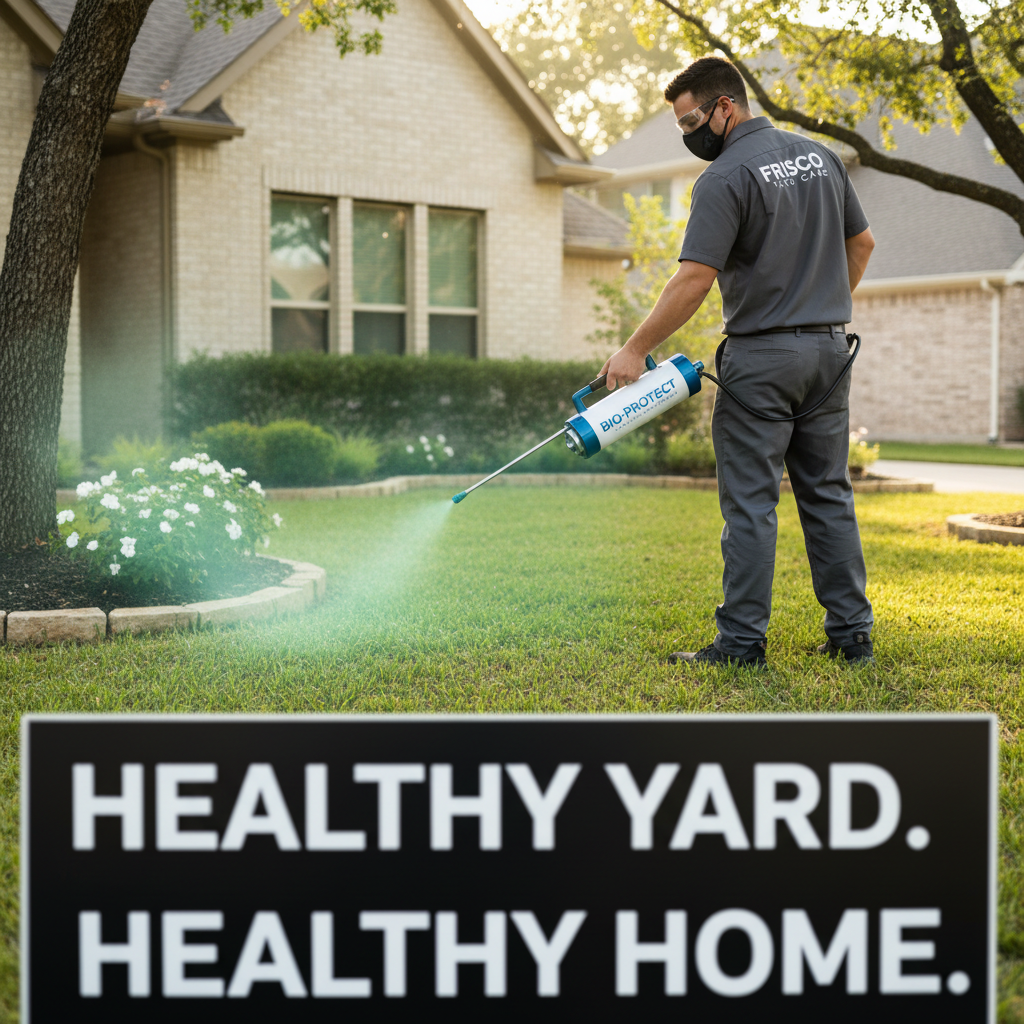
Simply scooping the yard is often insufficient to eliminate these microscopic threats. This is why our approach at Frisco Doody Free includes professional-grade sanitizing and deodorizing treatments. These applications are designed to neutralize the bacteria and fungi that traditional removal leaves behind, effectively restoring the biological health of your soil. By integrating these treatments with flexible scheduling for pet waste removal, you create a multi-layered defense that protects your grass, your pets, and your family. Maintaining this level of cleanliness is a vital part of responsible property management in any Frisco neighborhood.
How to Fix Your Lawn After Dog Poop Damage
The first and most critical step in reversing the cycle of dog poop killing lawn Frisco Texas yards is the immediate removal of the source. You cannot begin soil recovery while active waste continues to leach nitrogen and salts into the turf. Once the waste is cleared, the primary physical intervention is dilution. You must flush the site with water for several minutes. Because Frisco's heavy clay soil tends to trap minerals, a localized, deep soaking is required to push concentrated nitrogen levels below the root zone where they can no longer cause osmotic dehydration.
For areas where the grass has already turned brittle or brown, the soil pH is likely too acidic for new growth. Applying a light dusting of garden lime, or pelletized limestone, to these specific spots helps neutralize the acidity and creates a more hospitable environment for recovery. After amending the soil, the repair method should match your specific turf variety:
Bermuda: Lightly rake away the dead material, add a thin layer of topsoil, and apply fresh seed. Bermuda's aggressive stolons will eventually fill the gap if the soil chemistry is corrected.
St. Augustine: Because this grass does not grow effectively from seed, you will need to install a sod plug. Ensure the plug is level with the surrounding ground to prevent it from drying out or being scalped by the mower.
While these steps can salvage a damaged landscape, they represent a reactive approach to a preventable problem. The most effective way to protect your investment is to ensure waste is never allowed to sit long enough to trigger a chemical burn. Establishing pricing for weekly and bi-weekly visits provides a proactive defense, ensuring your soil remains balanced and your turf stays resilient against the Texas heat.
Why Professional Removal is the Best Defense for Your Turf

While DIY recovery efforts are necessary once the damage is done, a professional maintenance schedule prevents the need for lawn repair in the first place. At Frisco Doody Free, we provide a proactive defense that recognizes pet waste as a chemical and biological hazard to your turf. By utilizing flexible scheduling for pet waste removal, you ensure that waste is physically cleared before the concentrated nitrogen has a chance to reach a caustic level. Our pricing for weekly and bi-weekly visits is strategically timed to stop the leaching process, protecting the delicate root systems of Bermuda and St. Augustine grasses from permanent osmotic dehydration.
Our service goes beyond simple scooping. We apply professional grade sanitizing and deodorizing treatments that target the microscopic reality remaining on the grass blades. These applications neutralize the bacteria and fungal spores that lead to Large Patch and other lawn diseases, which traditional residential cleaning often misses. This comprehensive approach ensures that the issue of dog poop killing lawn Frisco Texas properties is addressed at both the visible and microbial levels. For busy Frisco families, maintaining a healthy, HOA compliant yard is simplified through our streamlined online booking and payment system. You can secure a cleaner, safer backyard for your pets and family with just a few clicks.
Protecting your Frisco lawn starts with understanding that pet waste is a pollutant, not a fertilizer. By removing waste promptly, you prevent chemical burns and keep your grass thriving all year long. If you want expert help maintaining a clean and healthy yard, you can read more about our dedicated team and how we serve the community. We are happy to take this chore off your plate so you can focus on enjoying your beautiful, green space.