
Homeowners in Frisco should dispose of pet waste by placing it in a secured bag for regular trash pickup or flushing it down the toilet to protect the local water supply. Effective dog poop disposal methods Frisco Texas residents can also utilize include hiring professional removal services or using in-ground enzyme digesters to safely liquefy waste.
Managing pet waste in Frisco involves more than just a plastic bag and a quick toss into the green bin. Between the scorching North Texas heat and the stubborn blackland prairie clay, local homeowners often find themselves struggling with lingering odors, flies, and a yard that feels less like an oasis and more like a liability. Understanding the nuances of dog poop disposal methods in Frisco, Texas, is critical for maintaining your property value and protecting our shared local environment. In this guide, we will explore why the double bagging technique is essential for Frisco trash collection and why traditional backyard composting is a recipe for disaster in our dense soil. We will also navigate the complexities of water treatment advice regarding Lake Lewisville; furthermore, we will provide expert tips on prepping your yard for a sudden North Texas freeze.
The Logistics of Dog Poop Disposal Methods Frisco Texas Residents Should Use
Frisco homeowners often find themselves at a crossroads after completing the daily yard sweep. While picking up the waste is a vital first step, the subsequent logistics of where that waste ends up are equally critical for neighborhood health. The primary dog poop disposal methods Frisco Texas allows generally center on three paths: the residential landfill stream, the municipal sewer system, or contained on-site digestion. However, the effectiveness of these methods is heavily influenced by North Texas environmental factors, including our intense heat and non-porous soil.
It is a common misconception that dog waste simply dissolves or acts as fertilizer. Because dogs are carnivores, their waste is highly acidic and packed with pathogens like hookworms, salmonella, and fecal coliform bacteria. This is fundamentally different from the waste produced by herbivores like cows or horses, which consists mainly of digested plant matter. The concept that 'out of sight' means 'gone' is a dangerous one in a suburban landscape. Improperly managed waste does not just disappear; it lingers in the soil or washes into the local watershed during heavy spring rains.
Local municipal regulations and our unique climate narrow the choices for responsible owners. For example, the high nitrogen content in canine waste can actually kill your grass rather than help it grow. Proper disposal is about more than just keeping the lawn tidy. It is a necessary measure to protect the local environment. To help maintain a safe and odor-free outdoor space, many residents rely on flexible scheduling for weekly visits and professional deodorizing and sanitizing to ensure the job is handled according to expert standards. Using convenient online booking allows you to set up a system that removes the logistical burden and environmental risk from your weekly routine.
The Landfill Method: Why Double Bagging is Essential for Frisco Trash Collection
Using the residential trash bin is the most frequent choice among dog poop disposal methods Frisco Texas residents utilize. While convenient, this method requires specific handling to ensure safety for local waste management personnel. Experts recommend a strict double bagging technique. The first bag contains the waste, while a second, heavy duty bag acts as a secondary containment layer. This prevents accidental ruptures and leaks when bags are compressed in the collection truck, protecting workers from exposure to pathogens.
In the North Texas climate, where summer temperatures regularly exceed 100 degrees, an unmanaged trash bin can quickly become a pressurized biohazard. The intense heat accelerates the growth of bacteria and creates pungent odors that attract flies and pests. To mitigate this, select thick, puncture resistant bags rather than thin grocery sacks. When shopping for eco-friendly options, be wary of greenwashing marketing. Many products labeled as biodegradable simply break down into microplastics. Look specifically for the ASTM D6400 certification, which ensures the material meets rigorous standards for true compostability.
For homeowners who find the odor and handling of these bins overwhelming, especially in the peak of summer, professional deodorizing and sanitizing can eliminate lingering bacteria. Relying on flexible scheduling for weekly visits ensures that waste is removed from the property and secured before it has a chance to stew in the Texas sun.
To Flush or Not to Flush: Navigating North Texas Water Treatment Advice
While the landfill method is standard, the Environmental Protection Agency (EPA) often suggests a different route: the toilet. The logic is scientifically sound. Municipal water treatment plants are specifically designed to process fecal matter and neutralize the very pathogens, like fecal coliform and salmonella, found in canine waste. By flushing, you ensure these contaminants are treated and filtered before the water is released back into the environment. This aligns with the North Central Texas Council of Governments (NCTCOG) regional focus on protecting local water quality by keeping pet waste out of the storm drain systems that lead directly to our lakes.
However, Frisco homeowners must exercise caution before adopting this as their primary strategy. A significant reality check is necessary regarding plumbing. You should never flush bags, even those marketed as 'flushable' or 'biodegradable.' These materials rarely break down quickly enough to navigate the bends in residential piping; this is especially true for homes with older cast iron pipes or those utilizing septic tanks. For a septic system, the added solid waste and acidity can disrupt the delicate bacterial balance required to break down effluent, leading to costly repairs.
Practicality also plays a major role. For households with multiple large dogs, the sheer volume of waste makes flushing an inefficient use of time and water. If the logistics of daily flushing or proper bagging seem daunting, flexible scheduling for weekly visits provides a professional alternative. Utilizing convenient online booking allows you to delegate the dirty work to experts who understand the nuances of North Texas waste management. This ensures your yard stays clean without risking a plumbing emergency or violating local water quality standards.
The Backyard Composting Myth: Why Texas Clay and Carnivore Waste Do Not Mix
While flushing and landfilling are common dog poop disposal methods Frisco Texas residents consider, a third green option often enters the conversation: backyard composting. It is a persistent myth that dog waste acts as a natural fertilizer. Unlike cows or horses, which are herbivores eating plant matter, dogs are carnivores. Their high protein diet results in highly acidic waste that is more likely to kill your lawn than nourish it. Furthermore, canine waste is teeming with pathogens like roundworm, salmonella, and giardia.
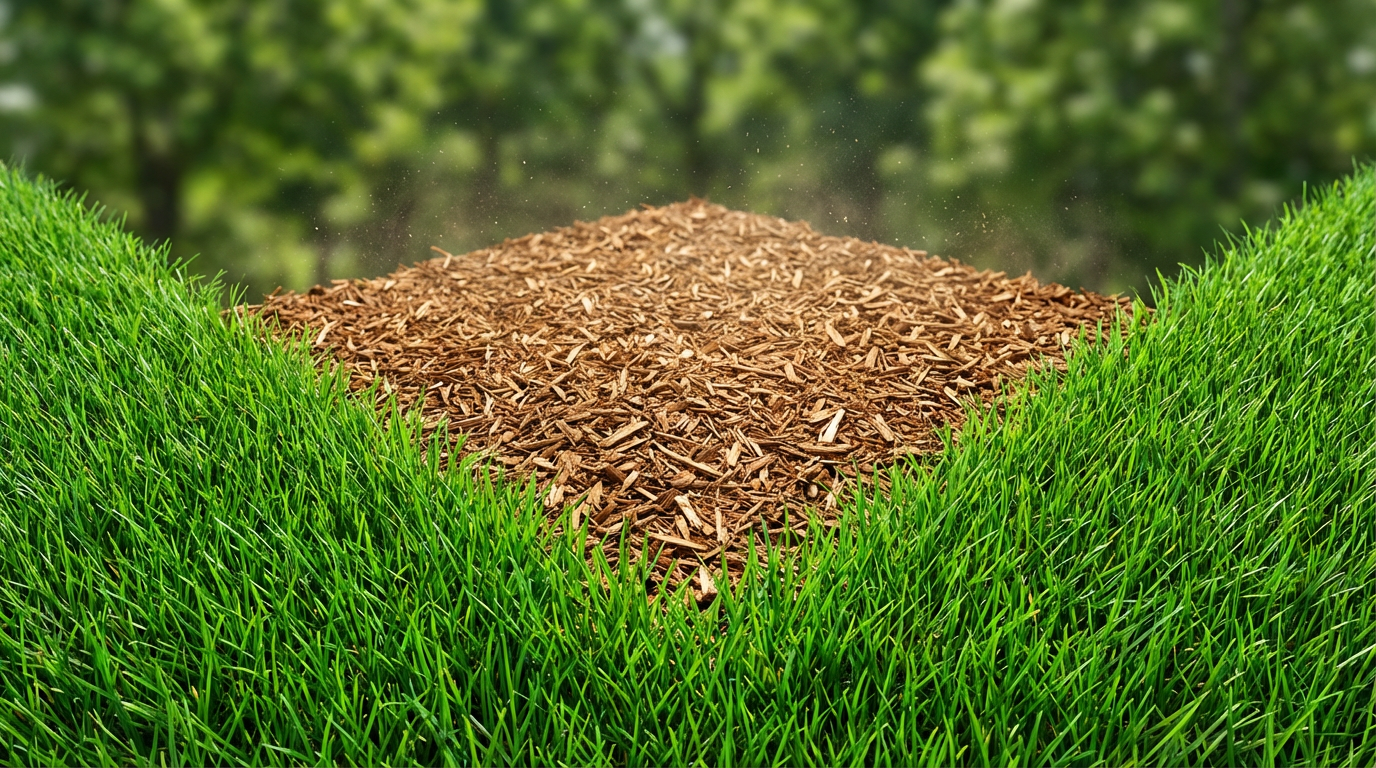
To safely compost dog waste and neutralize these parasites, a compost pile must maintain a consistent temperature of at least 165 degrees Fahrenheit for five consecutive days. Most residential compost bins in Frisco never reach these industrial temperatures. Instead of breaking down, the waste sits and allows bacteria to thrive. This becomes especially dangerous when combined with Frisco's heavy clay soil. In our region, the dense Blackland Prairie clay acts as a seal rather than a filter. It traps harmful bacteria near the surface, where it can easily be tracked into the house by children or pets.
Attempting to manage a backyard compost pile for pet waste often leads to a localized biohazard in your own yard. For homeowners who want a clean, safe lawn without the risks of DIY composting, flexible scheduling for weekly visits ensures waste is removed before it can contaminate the ground. Utilizing convenient online booking and professional deodorizing and sanitizing offers a scientific approach to yard hygiene that backyard composting simply cannot match.
In Ground Digesters and the Challenge of Frisco Soil Drainage
Transitioning away from open-air composting, some residents look toward in-ground digesters like the Doggie Dooley or DIY bucket systems as alternative dog poop disposal methods Frisco Texas homeowners might use. These units function like a localized septic tank; you deposit the waste into a buried container and add water and specific enzymes to liquefy the matter. The goal is for the liquid to eventually leach out into the subsoil. While this sounds like a tidy solution, it relies entirely on the earth's ability to absorb water, a factor that is often a major hurdle in our region.
Frisco is located within the Blackland Prairie, characterized by a high concentration of heavy clay soil. This material is famously dense and non-porous. Unlike sandy soil that allows for rapid drainage, our clay traps moisture. When a digester is installed in this environment, it frequently fails by becoming a stagnant "poop puddle" that cannot drain. This creates an anaerobic, foul-smelling mess that can attract pests and eventually overflow into your yard.
Before digging, perform a percolation or "perc" test. Dig a hole twelve inches deep, fill it with water, and see how long it takes to drain. If the water remains after several hours, your yard is likely too dense for a digester. In these cases, flexible scheduling for weekly visits provides a far more effective way to manage waste. Through convenient online booking and professional deodorizing and sanitizing, you can ensure your yard remains clean without battling the limitations of Frisco’s difficult soil.
Winter Waste Management: Preparing Your Frisco Yard for a Texas Freeze
Frisco residents often experience a lapse in yard maintenance when the North Texas winter brings its characteristic erratic freezes. A common mistake in dog waste removal winter preparation Frisco Texas owners make is assuming that cold temperatures accelerate decomposition. In reality, freezing weather acts like a refrigerator; it preserves the waste and the pathogens inside it. Instead of breaking down, the material remains intact until the first significant warm spell. This preservation complicates standard dog poop disposal methods Frisco Texas residents rely on, as frozen waste can be difficult to scoop without damaging the dormant grass beneath.
This leads to a spring thaw crisis. When accumulated winter waste melts simultaneously during a February or March rain, it creates a concentrated surge of bacteria and nitrogen that flows directly into local storm drains. To manage this, homeowners should clear dedicated paths through the yard after ice storms to make scooping accessible and consistent. Relying on flexible scheduling for weekly visits ensures that accumulation never reaches a critical point during the coldest months. Using convenient online booking keeps your service consistent even when the weather is unpredictable. Once the ground thaws, professional deodorizing and sanitizing helps neutralize any bacteria that survived the freeze, preventing your yard from becoming a source of runoff pollution as the seasons shift.
Environmental Impact: Protecting Lake Lewisville and Local Waterways
The cumulative effect of individual yard maintenance choices extends far beyond the fence line of a Frisco property. When rain falls on North Texas, any waste left on the ground enters the municipal storm drain system, which, unlike household plumbing, flows directly into local waterways without treatment. For residents in this region, that runoff typically ends up in Lake Lewisville. This reservoir is not just a recreational spot; it is a vital water source for the community.
Data from the North Central Texas Council of Governments (NCTCOG) highlights that pet waste is a leading contributor to nutrient pollution. High levels of nitrogen and phosphorus from canine waste trigger rapid algae blooms that deplete oxygen in the water, harming local fish populations. By choosing responsible dog poop disposal methods Frisco Texas homeowners can prevent these pollutants from reaching the watershed. Utilizing flexible scheduling for weekly visits through convenient online booking ensures that waste is intercepted before it can wash away. Supplementing this with professional deodorizing and sanitizing further reduces the bacterial load, protecting the delicate balance of the broader Frisco ecosystem.
Managing pet waste correctly is the best way to keep your Frisco yard clean and the local environment safe. While regular disposal is a simple habit, it makes a significant difference in the health of our community. If you would like to hand off the dirty work to someone else, expert help is always available to take the task off your plate. You can learn more about our commitment to clean lawns and how we help local families enjoy their outdoor spaces without the mess.