
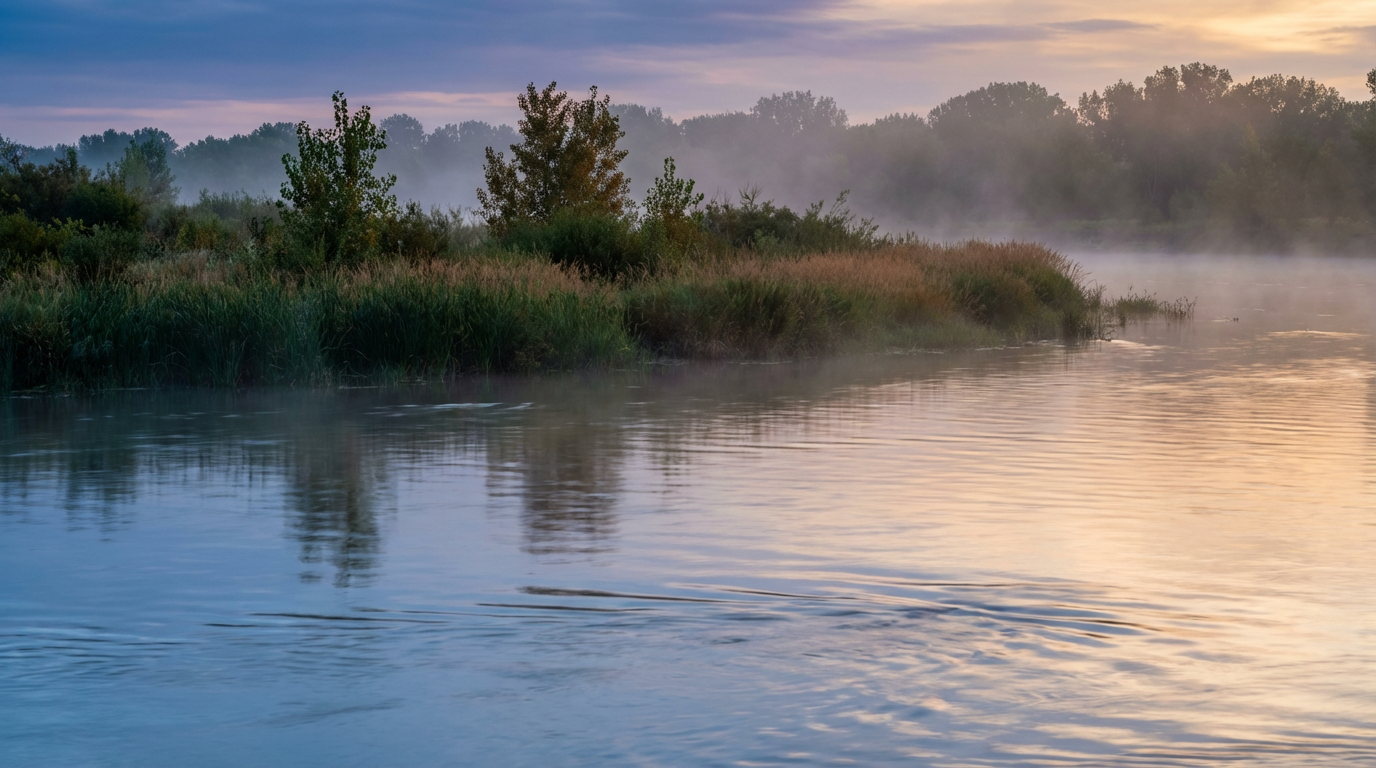
Dog waste introduces harmful bacteria and excess nutrients like nitrogen into local waterways through stormwater runoff, posing a significant risk to the regional ecosystem across Frisco and the surrounding areas.
Maintaining a pristine yard in the Frisco area often feels like a losing battle against the persistent mess and odor of pet waste.
The Direct Link Between Your Backyard and the Trinity River
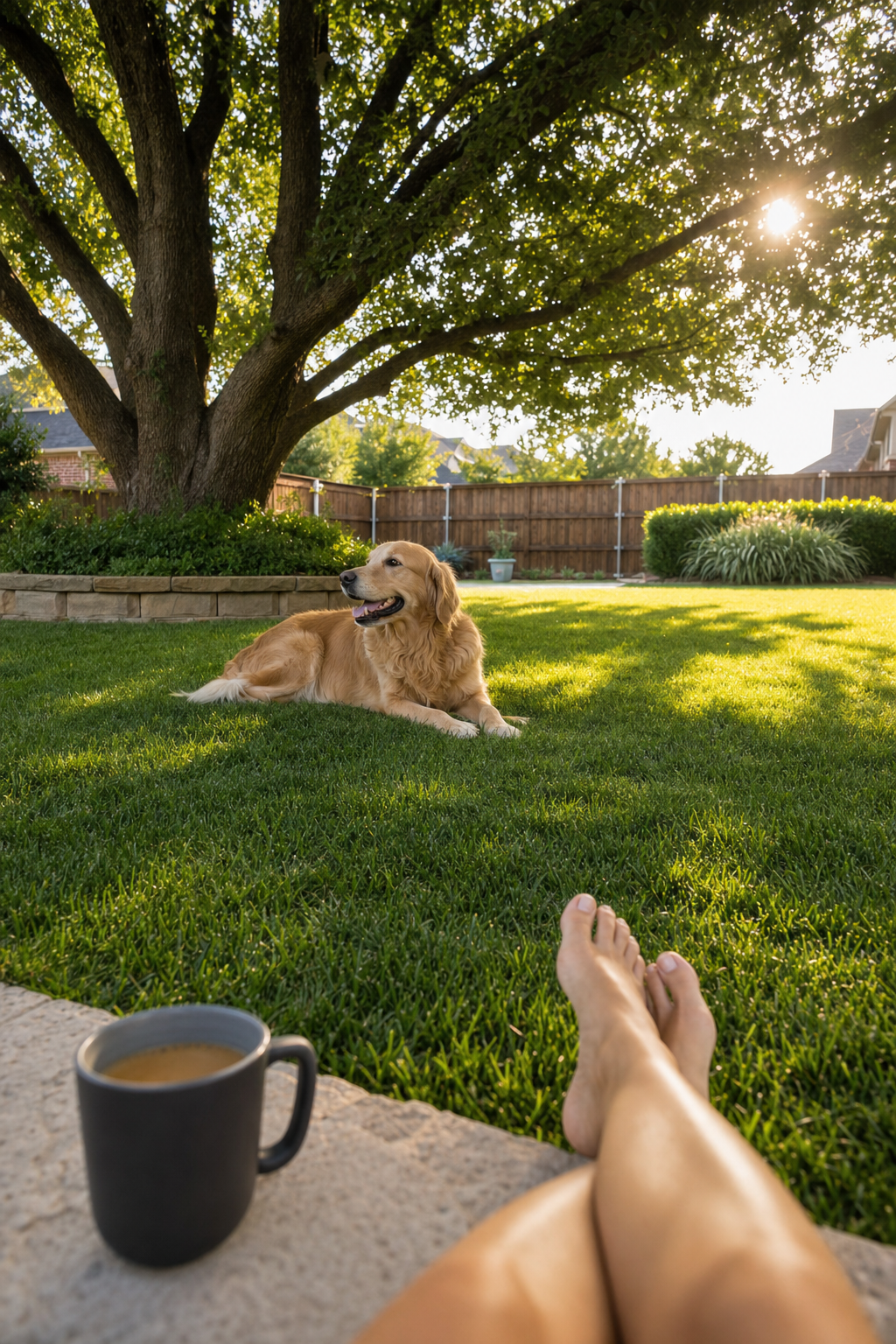
Every time it rains across the region, your backyard becomes part of a much larger hydraulic system. Most homeowners view their lawn as a self-contained environment, but in reality, it is not.
A common misconception among residents is that water entering the curb inlets on your street undergoes the same rigorous filtration as the water from your sinks or toilets. This is not the case. While indoor wastewater is routed to a treatment plant for sanitization, the Frisco municipal separate storm sewer system (MS4) is designed to move water quickly to prevent neighborhood flooding. This means the pathway from your lawn to the river is short and direct. When pet waste is left on the ground, the next North Texas rain event picks up the nitrogen, phosphorus, and pathogens, carrying them through the storm drains and into our local waterways without any treatment.
This connection is why the dog waste environmental impact across the local watershed relies so heavily on individual homeowner habits.
Why Dog Waste Is Not Fertilizer: Debunking a Dangerous Myth
This necessity for immediate removal stems from a fundamental misunderstanding: the belief that dog waste serves as a natural fertilizer. Because it is organic matter, many Frisco homeowners assume that leaving it to decompose will benefit their turf. However, dog waste is chemically and biologically distinct from the herbivore-based manure used in agricultural landscaping.
Cattle and horses consume diets primarily composed of fiber and plant matter, resulting in waste that is relatively low in protein and beneficial for soil structure. Conversely, dogs consume high-protein diets. This results in waste that is highly acidic and contains excessive levels of nitrogen and phosphorus. When left on a Frisco lawn, this concentrated nitrogen does not nourish the grass; instead, it creates a scorched or "burn" effect. This chemical imbalance is responsible for the yellow or brown patches often seen in local yards. Beyond the visual damage, the high acidity can create a toxic environment for local soil microbiology, killing the beneficial organisms that grass roots require to stay healthy.
The Environmental Protection Agency (EPA) is clear on this distinction, classifying pet waste as a nonpoint source pollutant. This designation places dog waste in the same category as motor oil, grease, and toxic chemicals rather than natural compost. To mitigate the dog waste environmental impact Frisco Texas watershed health depends on, regular physical extraction is the only effective solution. Utilizing professional pet waste removal ensures these pollutants are removed before they can alter the soil chemistry. Furthermore, flexible scheduling for weekly visits prevents the accumulation of these acidic compounds, protecting the integrity of your lawn and the broader North Texas ecosystem.
Bacteria by the Billions: The Microscopic Threat to North Texas Water
The biological reality of pet waste is even more concerning than its chemical makeup. While a pile of waste might seem like a small, isolated nuisance, its microscopic profile tells a different story. Research indicates that a single gram of dog waste contains approximately 23 million fecal coliform bacteria. This density makes pet waste a potent source of infection for both humans and local wildlife. Pathogens such as Giardia and Salmonella are frequently found in untreated waste; these organisms can persist in the environment and eventually migrate into local water sources where they pose significant health risks to anyone who comes into contact with the water.
In North Texas, this is a documented regulatory issue. The Texas Commission on Environmental Quality (TCEQ) maintains the 303(d) list of impaired waters, which identifies water bodies that do not meet state quality standards. Several local creeks in the McKinney and Frisco areas are frequently flagged on this list due to elevated bacteria levels. When bacteria counts exceed these safe thresholds, the waterways are no longer suitable for recreational use, effectively closing off local nature spots to families. Furthermore, uncollected waste serves as a primary food source for urban rodent populations, which can introduce secondary health hazards and further degrade neighborhood hygiene.
Mitigating the dog waste environmental impact across the local watershed requires proactive measures to stop bacteria at the source. Utilizing professional pet waste removal ensures waste is cleared promptly.
The Nutrient Loading Problem: Algae Blooms and Fish Kills
Beyond the microscopic pathogens, the chemical composition of pet waste introduces a severe ecological threat through nutrient loading. Dog waste is densely packed with nitrogen and phosphorus; while these are necessary for life in small amounts, the concentrated levels found in canine diets create an artificial surplus. When rainwater carries these nutrients into Frisco neighborhood ponds or the Trinity River, it triggers a process called eutrophication. This isn't merely a change in water color; it is a rapid shift in the chemical balance of the aquatic environment.
These excess nutrients act as a high-potency fuel for algae, leading to sudden and massive blooms. While a green pond might initially seem like a minor aesthetic issue, the underlying biological process is far more dangerous. As the overproduced algae dies and begins to decompose, the bacteria responsible for breaking it down consume nearly all the dissolved oxygen in the water. This rapid depletion leaves little to no oxygen for other aquatic life. The result is often a localized fish kill, turning a suburban amenity into an ecological dead zone.
Managing the dog waste environmental impact across the local watershed requires stopping this nutrient surge before it reaches the storm drains.
How Long Does Dog Poop Contaminate Local Soil?
Visible dog waste may seem to disappear within a few weeks, especially during our humid spring or through the activity of local insects. However, the physical breakdown of organic matter is a poor indicator of environmental safety. While the mess might be gone, the soil remains contaminated with hardy pathogens. Roundworm larvae, such as Toxocara canis, are notorious for their resilience; they can survive in North Texas soil for several years, even after the original waste has fully integrated into the earth.
The intense North Texas summer heat often creates a false sense of security. While 100-degree days accelerate the dehydration and disintegration of the organic matter, these temperatures do not typically reach the levels required to sterilize the soil or kill off persistent parasites. This lingering contamination means that children and pets playing in the yard remain at risk long after the lawn appears clean. To effectively manage the dog waste environmental impact Frisco Texas watershed health requires, physical extraction must happen before the breakdown process begins. Utilizing professional pet waste removal prevents these parasites from anchoring in your yard. Implementing flexible scheduling for weekly visits ensures that waste is captured before it can leach pathogens into the ground, protecting your family and the local ecosystem from long-term soil pollution.
Local Stormwater Regulations and Homeowner Responsibility
The long term persistence of soil pathogens is not just a health concern; it is a regulatory one. In Frisco, the city manages a Municipal Separate Storm Sewer System (MS4), which is a network of drains designed to move rainwater directly into local tributaries like Panther Creek without treatment. To comply with federal and state clean water mandates, the City of Frisco implements Best Management Practices (BMPs) that explicitly identify pet waste removal as a critical responsibility for every resident. These guidelines exist to mitigate the dog waste environmental impact Frisco Texas watershed health depends on for long term sustainability.
Failing to manage waste on your property can lead to more than just ecological damage. Local ordinances classify uncollected pet waste as a form of illegal discharge into the stormwater system, which can result in municipal citations and fines. Furthermore, most Frisco Homeowners Associations (HOAs) enforce strict bylaws regarding pet sanitation, often issuing violations for unmaintained yards. Engaging professional pet waste removal is a proactive way to remain in compliance with these local standards. By utilizing flexible scheduling for weekly visits, homeowners fulfill their legal obligation while protecting the community water quality.
Sustainable Disposal: The Best Ways to Protect Our Watershed

Choosing the right disposal method is the final step in reducing the dog waste environmental impact that local watershed systems face. The EPA technically recommends flushing pet waste.
Professional scooping serves as the most reliable environmental insurance policy for local families. By opting for professional pet waste removal, you ensure that waste is physically extracted from your property and hauled away for proper disposal. This eliminates the risk of nutrients leaching into the ground or washing into Panther Creek. Establishing flexible scheduling for weekly visits provides a consistent defense, ensuring 100% of the waste is captured before the next North Texas rain event. This proactive approach removes the burden of disposal from the homeowner while providing the highest level of protection for the Trinity River ecosystem.
Protecting our local waterways begins right in your own backyard. By consistently managing pet waste, you prevent harmful bacteria from reaching the Trinity River watershed.