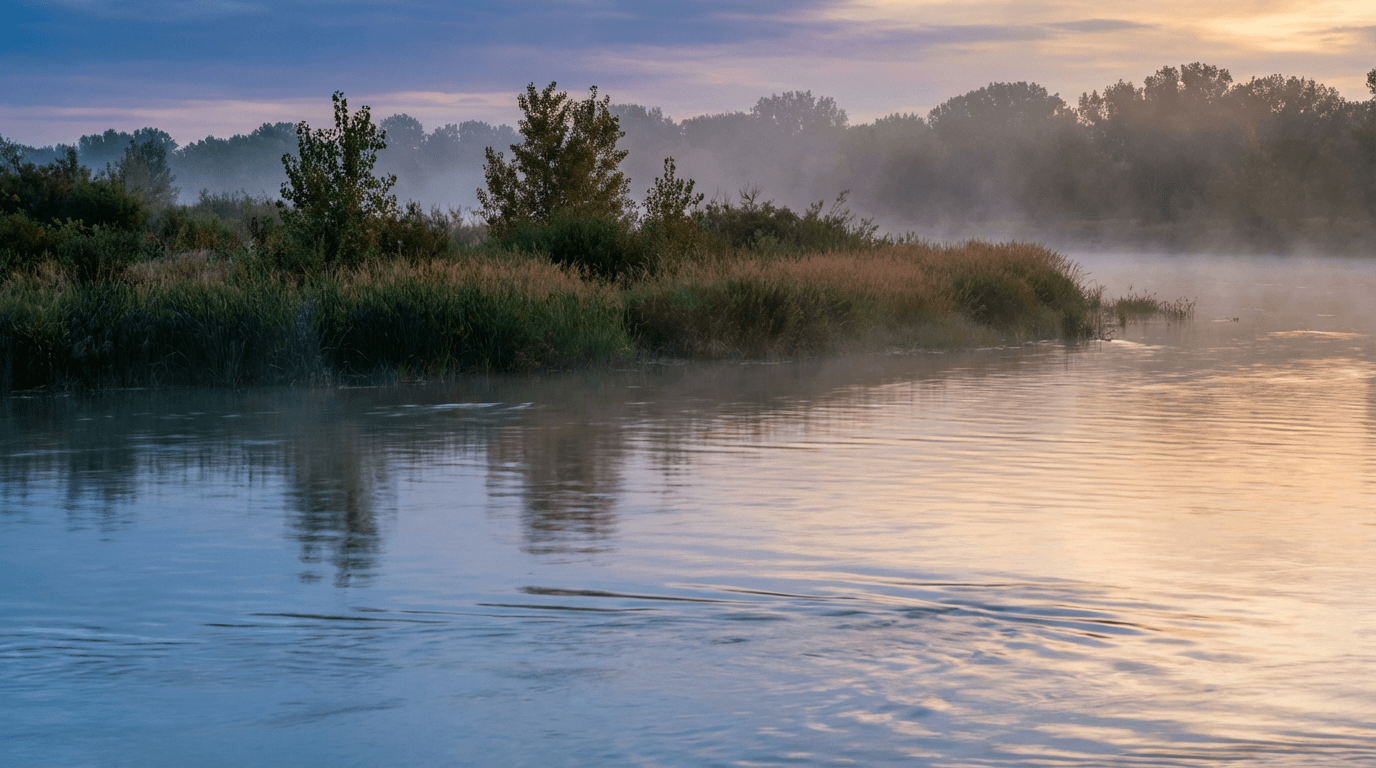

Dog waste pollution in DFW waterways occurs when rain and sprinkler runoff wash untreated pet waste into storm drains that flow directly into local creeks, lakes, and the Trinity River watershed. This contamination introduces harmful bacteria, parasites, and excess nutrients into North Texas water bodies that families rely on for recreation and drinking water.
Maintaining a clean backyard in North Texas is a point of pride for many homeowners, yet a hidden environmental hazard often lingers just beneath the grass. While many residents view dog waste as a minor nuisance, the collective impact across the DFW metroplex poses a serious threat to regional water quality. The connection between a backyard in Plano, McKinney, or any North Texas suburb and the health of the Trinity River is more direct than most people realize, and addressing the problem starts with understanding that connection.
The Direct Connection Between Your Backyard and North Texas Waterways
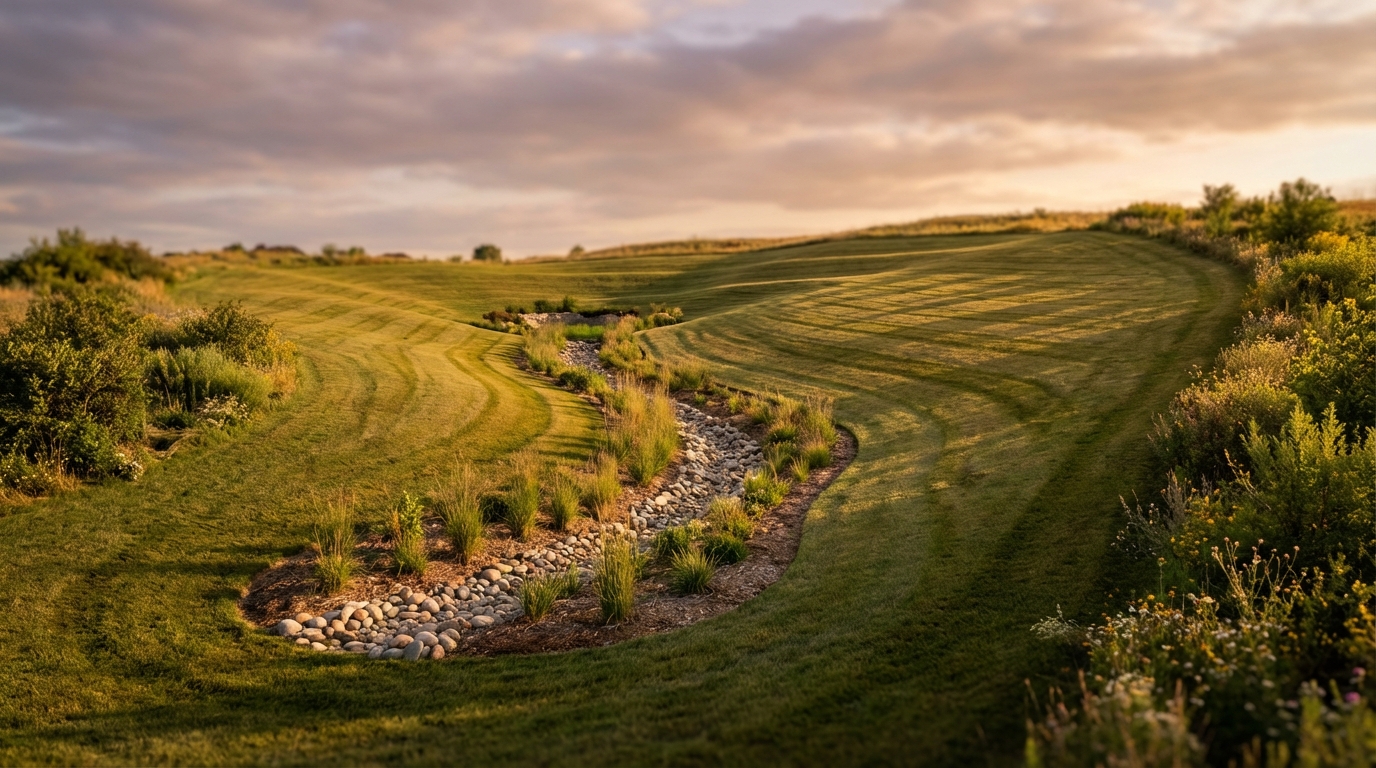
Homeowners across North Texas often view their backyards as self-contained ecosystems, but the reality is that every residential lawn in the DFW metroplex is directly connected to a much larger hydrological network. The North Central Texas Council of Governments (NCTCOG) confirms that storm drains throughout the region drain directly into our lakes and streams without any treatment. This means that whatever sits on your lawn -- whether in McKinney, Plano, or any community across the metro -- has a clear and unimpeded path to a shared water source.
It is a common misconception that storm drains function like the sanitary sewer lines in our homes. Unlike the water from your sinks, showers, or toilets, which is routed to a treatment facility to be filtered and cleaned, North Texas storm drains lead directly to local lakes and streams without any treatment whatsoever. For Frisco residents, this means that anything left on the ground is destined for the East Fork of the Trinity River or Lake Lewisville. Our city’s geography places it squarely within a vital watershed that provides drinking water and recreation for millions of people across the Metroplex.
While many consider dog waste to be a natural byproduct, it is actually a major urban pollutant when concentrated in suburban environments. It does not simply biodegrade into the soil like wild animal droppings in a forest; rather, it sits as a high concentration source of pathogens waiting for the next rain event. Utilizing a professional pet waste removal service that offers flexible scheduling for weekly visits is a practical step toward ensuring your yard does not contribute to the growing issue of dog waste pollution DFW waterways. Beyond simple scooping, applying sanitizing treatments can further reduce the microscopic footprint left behind before it enters our shared water supply.
The Stormwater Problem: How Runoff Transports Bacteria
The transport of bacteria starts the moment moisture hits the ground. According to data from the North Central Texas Council of Governments (NCTCOG), pollutants move through our drainage systems not just during heavy storms, but also via melting snow or excessive lawn irrigation. Across North Texas, where automated sprinkler systems are common, even a dry week can result in runoff that carries pathogens into the street. This process is most dangerous during the first flush effect, which occurs during the first inch of rainfall. This initial surge carries the highest concentration of accumulated pollutants, essentially power washing the neighborhood and sending a concentrated dose of bacteria directly into the storm drains.
Many homeowners assume that waste tucked away in tall grass or hidden behind perimeter bushes is harmlessly decomposing. In reality, these hidden deposits act as reservoirs for bacteria that wait for the next surge of water to enter the watershed. Because the terrain in North Texas is relatively flat, water tends to flow in sheets across properties during heavy rain, picking up waste from every corner of the yard. This ensures that dog waste pollution DFW waterways remains a persistent issue regardless of where the waste is located on a property. Utilizing flexible scheduling for weekly visits ensures that waste is removed before the next rain event or irrigation cycle can wash it away.
Why Dog Waste is Not Fertilizer and Never Was
A persistent misconception among North Texas homeowners is that dog waste serves as a natural fertilizer for their lawns. This misunderstanding stems from a false comparison between carnivorous pets and herbivorous livestock. Cow manure is broken-down plant matter rich in beneficial nutrients suitable for soil amendment. Dog waste, by contrast, is the byproduct of a protein-rich diet and contains high levels of nitrogen and phosphorus that actually burn grass rather than nourish it.
When heavy rains wash these excess nutrients into our drainage systems, they become a primary driver of dog waste pollution in DFW waterways. In bodies of water like Lake Lewisville, Grapevine Lake, or the Trinity River, surplus nitrogen and phosphorus trigger rapid algal blooms that block sunlight from penetrating the water column. As the algae decompose, they consume dissolved oxygen essential for fish and other aquatic life, creating hypoxic dead zones where native species cannot survive.
While a single dog's contribution may seem negligible, the cumulative effect of thousands of residential yards is devastating to the local ecosystem. Relying on a professional pet waste removal service ensures that these high density pollutants are removed from the cycle entirely. By opting for flexible scheduling for weekly visits, you prevent the buildup of acidic waste that would otherwise compromise your soil and eventually destabilize the delicate chemical balance of our North Texas lakes.
The Bacterial Load: 23 Million Reasons to Scoop the Poop
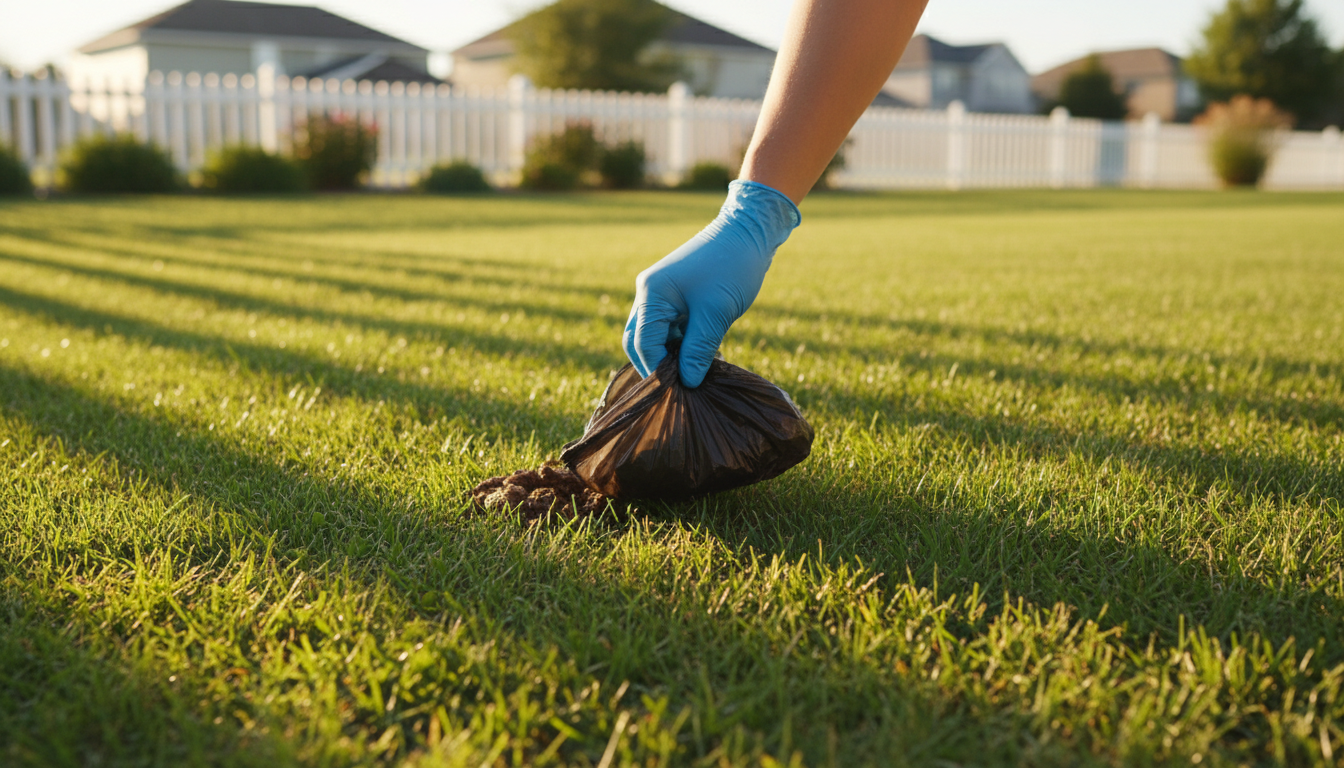
The biological reality of dog waste is far more hazardous than its chemical composition alone. A single gram of dog waste, approximately the weight of a business card, contains an estimated 23 million fecal coliform bacteria. This staggering concentration makes pet waste one of the most significant contributors to dog waste pollution DFW waterways. When waste is left on Frisco lawns, these microorganisms do not simply vanish; they thrive in the warm, humid climate of North Texas, creating a persistent biohazard for both humans and local wildlife.
Several specific pathogens found in dog waste are remarkably resilient and can survive in the soil or water for long periods:
Pathogen | Health Risk | Persistence in Environment |
|---|---|---|
E. coli | Severe gastrointestinal distress | Can survive in water and sediment for weeks |
Giardia | Parasitic infection and dehydration | Cysts are highly resistant to environmental stress |
Salmonellosis | Bacterial infection and fever | Can be shed in waste and persist in damp soil |
Roundworms | Persistent soil parasites | Eggs can remain viable in the dirt for years |
DFW residents frequently ask if the Trinity River is safe to swim in. The answer is generally no, especially following rain events. When stormwater flushes residential yards across the metroplex, bacteria levels spike dramatically, making water contact a genuine health risk. This is not a problem confined to any one city -- it is a cumulative regional issue driven by the collective habits of millions of pet owners across North Texas.
Managing this risk requires more than just occasional cleanup. Utilizing a professional pet waste removal service ensures that waste is cleared before it can break down into the soil. Because microscopic pathogens remain even after the physical waste is gone, applying sanitizing treatments is a critical step in neutralizing the lawn. Opting for flexible scheduling for weekly visits creates a consistent barrier against the accumulation of these 23 million reasons to keep our local watershed safe.
The Trinity River and the 303d List of Impaired Waters
The biological hazards discussed previously have led to significant regulatory consequences for North Texas. Under the federal Clean Water Act, the Texas Commission on Environmental Quality (TCEQ) maintains a 303(d) list of impaired waters -- bodies of water that fail to meet quality standards for their designated uses. Two McKinney creeks, Wilson Creek and the East Fork of the Trinity River, are on this list specifically due to bacteria impairment. With an estimated 53,000 dogs in McKinney alone, the scale of potential contamination from pet waste becomes clear.
Historically, the Trinity River was once referred to as the river of death. This dramatic title originated in the 19th century when the water was a breeding ground for diseases like cholera, and it persisted into the mid 20th century when industrial discharge turned the river into a virtual sewer. While modern regulations have addressed industrial dumping, the river’s recovery is now threatened by non-point source pollution. The collective impact of nearly 1.2 million dogs in the Dallas-Fort Worth Metroplex produces approximately 900,000 pounds of waste daily. This massive volume of untreated waste creates a persistent environmental footprint that keeps our local waterways on the impaired list.
When pet owners neglect cleanup, they contribute to a regional problem that local municipalities are legally mandated to address. Utilizing a professional pet waste removal service is a direct way to reduce the bacterial load entering the watershed. By opting for flexible scheduling for weekly visits, homeowners ensure that waste is removed before it can wash downstream. Furthermore, applying sanitizing treatments to the lawn helps neutralize the microscopic residue that persists even after visible waste is gone, providing a cleaner environment for both your family and the North Texas ecosystem.
Solutions for North Texas Homeowners: Beyond the Plastic Bag
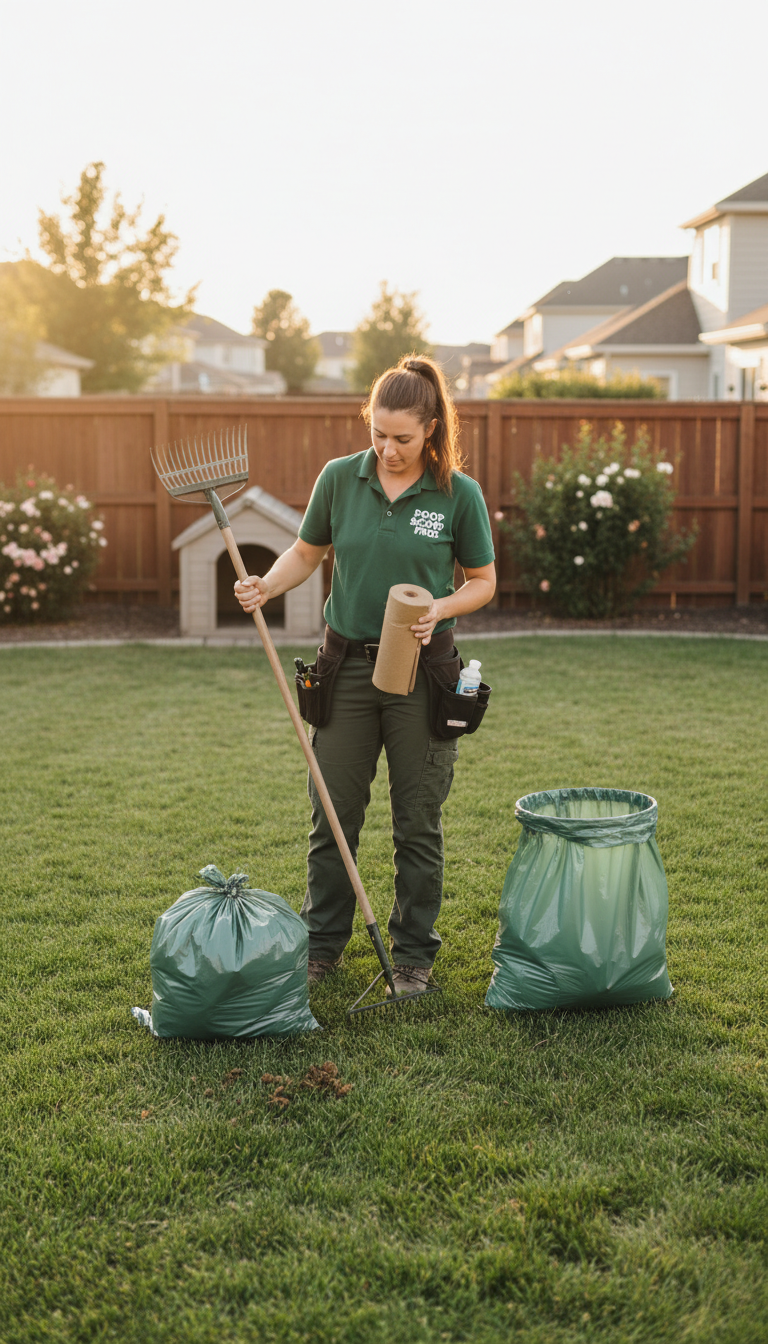
Effective mitigation of dog waste pollution in DFW waterways begins with consistent removal habits. While North Texas residents have several options for disposal, each method carries distinct advantages and practical limitations that homeowners should weigh carefully.
Disposal Method | Pros | Cons |
|---|---|---|
Flushing | Pathogens are treated at water plants | Inconvenient; risk of indoor mess |
Trash Disposal | Simple and accessible | Odor buildup; requires heavy bagging |
Professional Removal | Consistent; no labor; specialized disposal | Requires scheduling and site access |
Burying | Returns nutrients to deep soil | Labor intensive; requires 6-inch depth |
Choosing a professional pet waste removal service addresses the primary driver of runoff: accumulation. By utilizing flexible scheduling for weekly visits, waste is collected before it can break down or wash into the storm drains during North Texas's sudden thunderstorms. However, manual scooping is only the first step. Microscopic bacteria and parasites persist in the grass long after the physical waste is gone. Professional sanitizing treatments are essential for neutralizing these remnants, providing a level of cleanliness that standard bagging cannot achieve. These treatments break down the biological film left on the turf, ensuring that the next rainfall does not carry hidden pathogens into our local creeks.
Keeping North Texas streams and lakes clean starts right in your own backyard. By removing pet waste regularly, you prevent harmful bacteria from washing into our local waterways. The Trinity River, our regional lakes, and the creeks that run through our communities all depend on the daily choices made by dog owners across DFW. A clean yard means cleaner water for everyone.