Dog waste is not safe for use in edible gardens because it contains harmful pathogens and parasites like roundworms that can contaminate your food supply. To ensure dog waste vegetable garden safety Frisco Texas, homeowners must promptly remove feces and wait at least one year before planting vegetables in previously contaminated soil; backyard composting typically fails to reach the high temperatures necessary to kill these organisms.
Frisco residents take pride in their lush backyard gardens, but finding a surprise from the family dog next to your ripening tomatoes can instantly ruin the joy of the harvest. It is not just a matter of the mess or the smell; it is a serious concern regarding the hidden health risks lurking in the soil beneath your feet. Many local gardeners mistakenly assume that because livestock manure serves as fertilizer, canine waste might offer a similar benefit to their vegetables. In reality, the pathogens found in carnivore waste pose significant dangers to your family and your produce. This guide explores why dog waste is toxic for edibles, identifies the specific parasites common in North Texas, and provides practical steps to decontaminate your soil. You will also learn safe gardening strategies to ensure your Frisco backyard remains both productive and sanitary for everyone.
The Danger of Dog Waste in Your Vegetable Garden
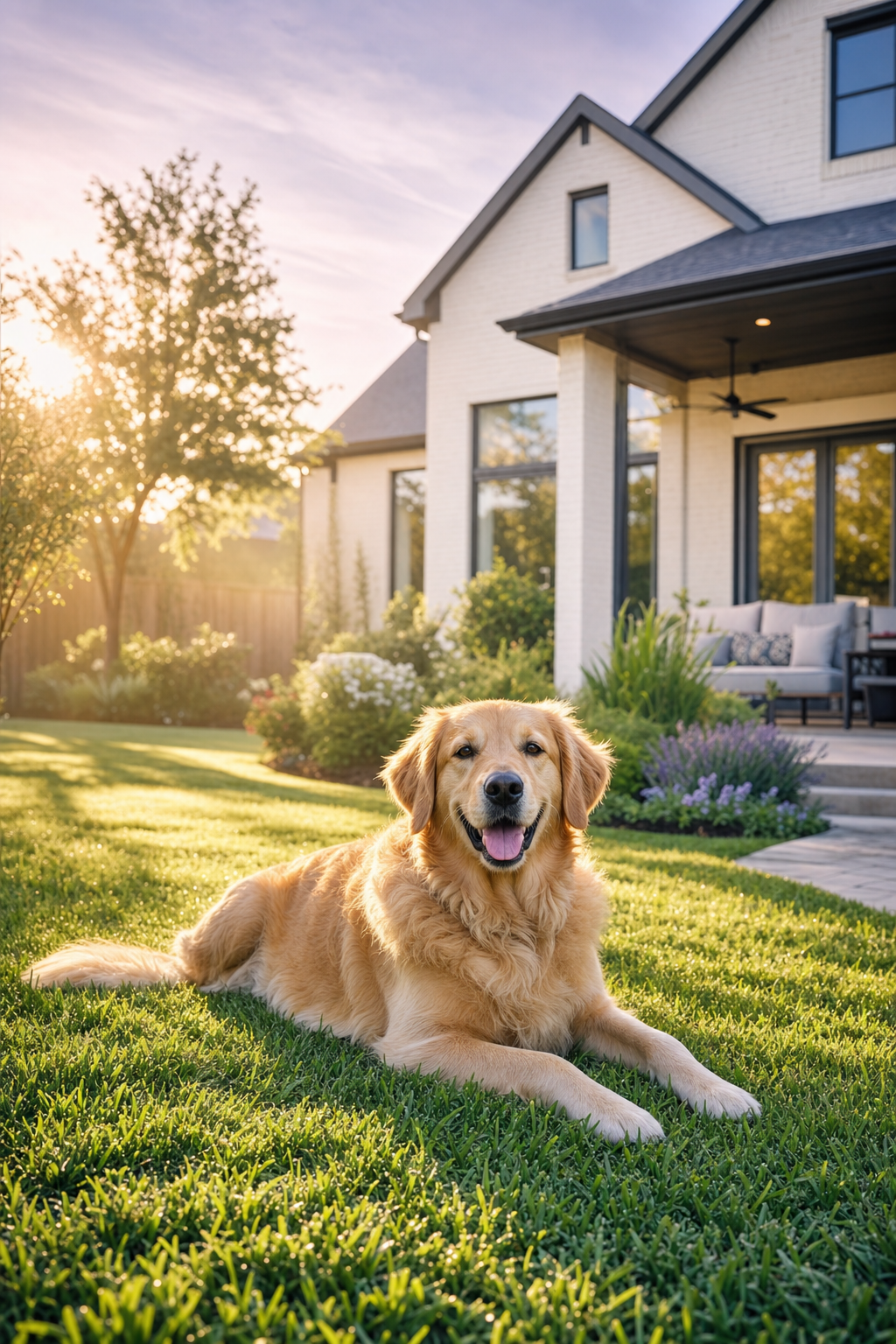
Frisco homeowners are increasingly turning their backyards into productive landscapes, taking advantage of the North Texas sun to grow everything from heirloom tomatoes to crisp peppers. However, maintaining dog waste vegetable garden safety Frisco Texas requires understanding a fundamental conflict: our dogs and our edible crops do not naturally coexist. While we want our furry companions to enjoy the lawn, their waste introduces biological risks that can quickly compromise a backyard harvest.
The primary concern stems from pathogens. The EPA classifies pet waste as a pollutant in the same category as toxic chemicals or motor oil. A single gram of dog feces can contain up to 23 million fecal coliform bacteria, including E. coli and Salmonella. While it is possible to maintain a successful garden in a yard shared with pets, it requires strict adherence to safety protocols and frequent waste management.
Many residents ask if dog waste can serve as a natural fertilizer. The answer is a definitive no. Because dogs eat a protein-rich diet, their waste is highly acidic and serves as a primary carrier for parasites that can survive in the soil for years. Relying on professional flexible scheduling for weekly visits ensures these contaminants are removed before they reach your growing beds. For those starting a new planting season, convenient online booking makes it easy to clear the area professionally. Understanding pet waste removal pricing is the first step toward a safer, healthier harvest for your Frisco family.
Why Dog Waste is Not Fertilizer for Your Edibles
The misconception that all animal waste benefits soil often leads to dangerous mistakes in the backyard. While farmers use cow or horse manure to enrich crops, these fertilizers come from herbivores with plant-based diets. Their waste is primarily digested fiber and is typically professionally composted at high temperatures to neutralize pathogens. In contrast, dogs are carnivores and omnivores. Their protein-rich diet results in highly acidic waste that is far too "hot" for most plants. Instead of providing gentle nutrients, the concentrated nitrogen in dog feces can physically burn root systems and foliage, leaving yellow patches or stunted growth in your vegetable beds.
Beyond the chemical makeup, the biological risks are the primary reason dog waste has no place near your food. It is a known carrier for E. coli, Salmonella, and various hardy parasites. In Frisco, our local geography adds another layer of complexity. Much of the area sits on heavy clay soil, which is notorious for poor drainage. Unlike sandy soils that allow water and contaminants to filter through quickly, Frisco's clay can trap moisture and pathogens near the surface for extended periods. This means that a single mess can linger in the root zone much longer than expected.
Ensuring dog waste vegetable garden safety Frisco Texas requires a proactive approach to sanitation. Relying on flexible scheduling for weekly visits removes the source of contamination before it can settle into the clay. For families prioritizing a healthy harvest, convenient online booking provides a streamlined way to maintain a clean yard. Reviewing pet waste removal pricing is a small investment compared to the cost of replacing contaminated soil or risking a foodborne illness from your own harvest.
Common Pathogens That Linger in Frisco Backyard Soil
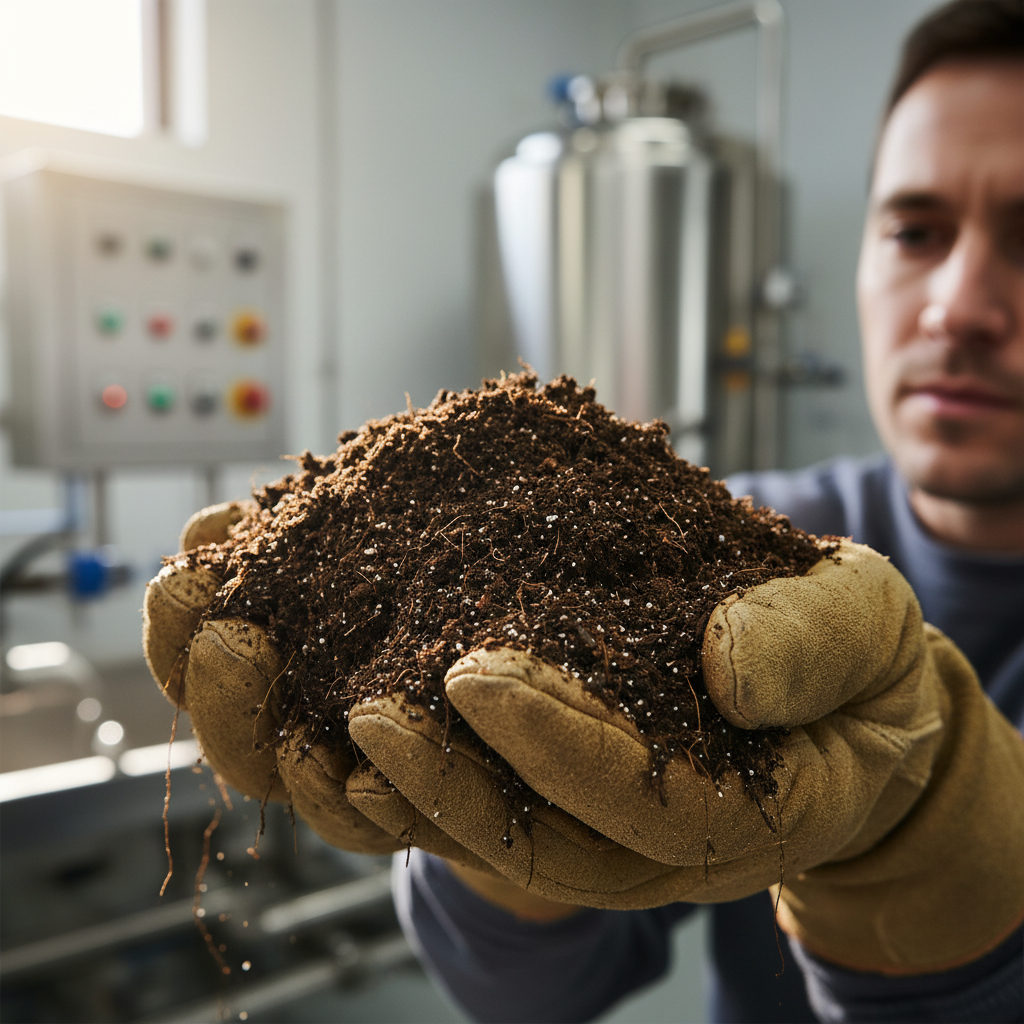
The biological hazards in dog waste are far more persistent than many Frisco gardeners realize. When a dog leaves waste in the yard, the visible material eventually breaks down, but the microscopic "bad actors" it leaves behind are designed for long term survival. The most notorious of these is Toxocara canis, or roundworms. These parasites produce eggs that are encased in a tough, protective shell, allowing them to remain viable in Frisco backyard soil for several years. Even a standard North Texas winter, which rarely sees sustained deep freezes, is insufficient to neutralize these eggs.
Hookworms and Giardia also present significant risks to anyone working in the garden. While hookworms typically thrive in warm, moist environments, Giardia is a protozoan parasite that can easily contaminate the soil and surface water. Because Frisco’s heavy clay soil retains moisture near the surface, it can create a localized reservoir for these organisms, keeping them active long after the waste has washed away. This environment is particularly hazardous for gardeners who handle soil directly or for families with children who play near planting beds.
A frequent question among local homeowners is: how long does dog poop contaminate soil? It is critical to distinguish between the waste itself and the pathogens it carries. While the physical feces might disappear into the grass or garden bed within a few weeks due to rain and sun, the microscopic risks can remain for a year or more. This long window of contamination is why achieving dog waste vegetable garden safety Frisco Texas requires more than just a quick cleanup right before planting season.
Consistency is the only reliable way to reduce these microbial populations over time. Utilizing flexible scheduling for weekly visits ensures that waste is removed before larvae can hatch or eggs can settle deep into the soil profile. For those concerned about the history of their planting beds, convenient online booking provides an immediate solution to start the sanitation process. By understanding pet waste removal pricing, Frisco residents can integrate professional sanitation into their regular garden maintenance, ensuring their backyard harvest remains truly healthy.
Can I Grow Tomatoes if My Dog Poops Near the Garden?
The persistence of these pathogens creates a clear hierarchy of risk for your backyard harvest. Growing fruit-bearing plants that are trellised or staked, such as pole beans or indeterminate tomatoes, carries a lower inherent risk than growing root vegetables or leafy greens. Since the edible portion of a tomato is suspended away from the earth, it is less likely to come into direct contact with contaminated soil. However, dog waste vegetable garden safety Frisco Texas is never a guarantee when waste is present in the immediate vicinity.
The primary concern for Frisco gardeners is splash-back. During our intense spring rainstorms, large droplets hitting the ground can propel microscopic pathogens and soil particles several inches upward, landing on low-hanging fruit or stems. While a tomato might look clean, it could carry E. coli or roundworm eggs deposited during a downpour. Root vegetables like carrots or radishes and low-profile greens like spinach are the most dangerous to grow in shared spaces, as they remain in constant contact with the soil profile.
Avoid planting any edible crops in a spot where a dog has recently used the bathroom. The concentration of nitrogen and the density of pathogens make these areas unsafe for both the plant and the consumer. Maintaining a clean perimeter is essential, which is why many residents utilize flexible scheduling for weekly visits to ensure no waste lingers near the garden fence. Checking pet waste removal pricing and using convenient online booking provides an immediate layer of protection for your homegrown produce.
How to Decontaminate Garden Soil from Dog Waste Naturally
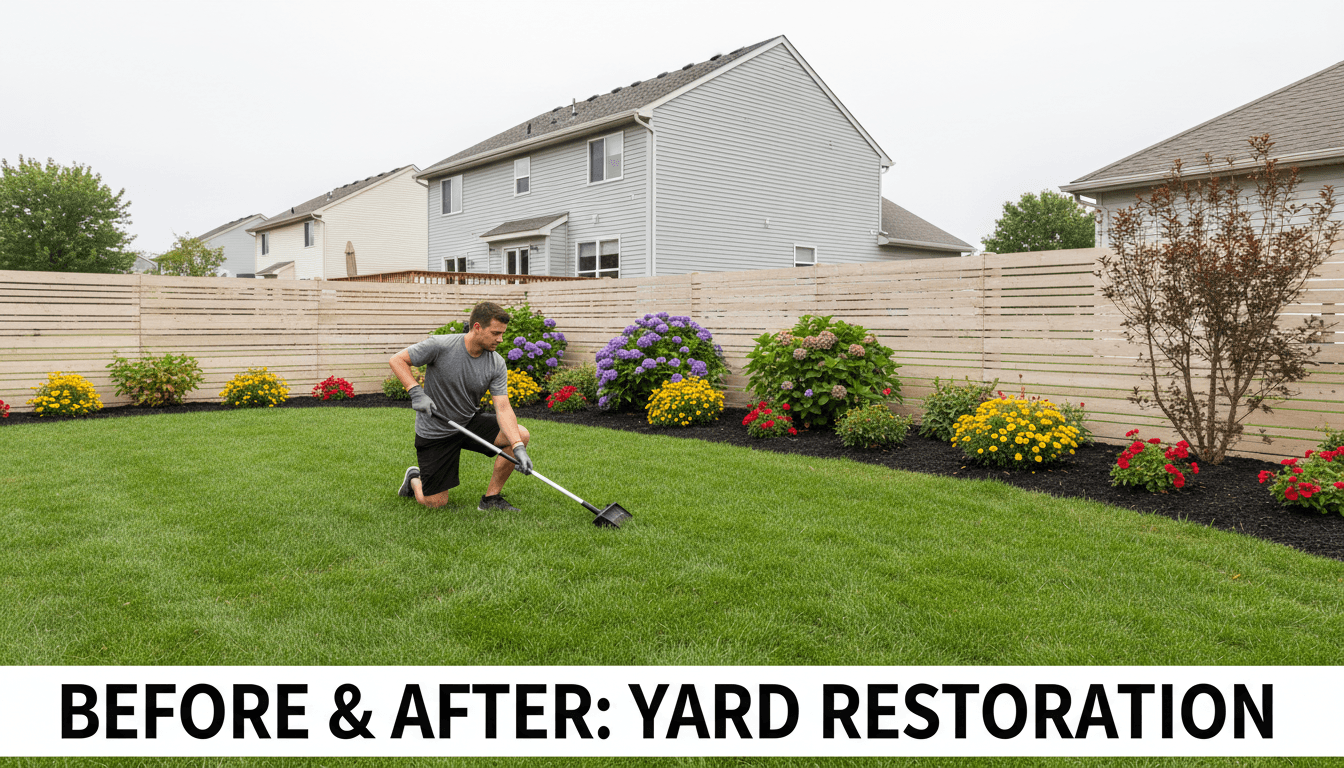
If a dog has already used your vegetable patch as a bathroom, the first step is physical remediation. Put on heavy-duty gloves and use a shovel to carefully remove all visible waste, along with the top 2 to 3 inches of soil in a wide radius around the site. Because pathogens and larvae can migrate, clearing this upper layer is the only way to physically extract the highest concentration of contaminants. Do not place this material in your compost bin; instead, bag it and dispose of it in your regular trash to prevent spreading pathogens back into your garden later.
Once the area is cleared, time becomes your most effective tool. To ensure dog waste vegetable garden safety Frisco Texas residents should wait at least one full growing season, or 12 months, before planting any edible crops in that specific spot again. This duration allows the natural biological processes in the soil to break down remaining organic matter while the lack of a host causes many parasites to eventually die off.
While the intense North Texas sun feels hot enough to kill anything, surface heat alone is rarely sufficient for deep sanitization. Soil must reach a sustained 145 degrees Fahrenheit to effectively neutralize hardy roundworm eggs and bacteria deep within the profile. For faster results, you can employ soil solarization. This involves saturating the soil with water and covering it tightly with clear plastic sheeting for six to eight weeks during the peak of summer. The plastic creates a greenhouse effect that traps heat, reaching the temperatures necessary to sanitize the earth. Maintaining a clean yard year-round through flexible scheduling for weekly visits prevents the need for these drastic measures. You can check pet waste removal pricing and use convenient online booking to ensure your soil stays healthy from the start.
Safe Gardening Strategies for Frisco Dog Owners
Establishing a physical separation between your pets and your produce is the most reliable way to maintain dog waste vegetable garden safety Frisco Texas. Raised garden beds are a primary solution; they should be constructed at least 12 to 18 inches high. This height serves a dual purpose. First, it acts as a physical barrier that discourages dogs from stepping into the planting area. Second, it prevents contaminated runoff and sediment from the surrounding lawn from washing into the bed during the heavy thunderstorms common in North Texas. By filling these beds with fresh, high quality soil and compost, you ensure your vegetables are growing in a controlled environment free from lingering pathogens.
For homeowners with active or large dogs, a raised bed alone may not be enough. Installing decorative fencing or specialized puppy pickets provides a definitive perimeter that keeps pets away from the foliage. This is particularly important for leafy greens and low hanging fruits that are most susceptible to contact with animal waste. If you are dealing with a smaller suburban lot where yard space is shared closely, consider container gardening on a patio or deck. Elevating your pots and planters effectively creates a zero contamination zone that is entirely isolated from the grassy areas where dogs spend their time.
Even with these structural barriers in place, managing the waste in the rest of the yard remains essential to prevent pathogens from being tracked into the house or onto the patio. Utilizing flexible scheduling for weekly visits keeps the entire property sanitary and reduces the total microbial load in your outdoor living space. You can easily view pet waste removal pricing and use convenient online booking to integrate professional cleanup into your seasonal garden planning. These strategies combined ensure that your Frisco backyard remains both a playground for your pets and a productive source of fresh food.
Protecting your vegetable garden from pathogens is essential for a safe and healthy harvest here in Frisco. While diligent scooping keeps your soil clean, managing pet waste alongside your gardening goals can be a time-consuming task. If you want expert help keeping your yard sanitary and safe for your family, our team is happy to manage the heavy lifting for you. You can learn more about our local services and how we help neighbors maintain beautiful, worry-free outdoor spaces.