Dog poop health risks summer heat Frisco Texas intensify because high temperatures accelerate the spread of harmful bacteria, parasites, and disease-carrying pests. Homeowners can protect their families by maintaining a strict weekly waste removal schedule and utilizing professional sanitation services to eliminate lingering pathogens from the soil.
As the Texas sun beats down on Frisco, your backyard should be a sanctuary for family barbecues and outdoor play. Instead, the rising temperatures often transform pet waste into a mounting health hazard that radiates through the neighborhood. When the mercury hits triple digits, dog poop does more than just smell bad; it becomes a breeding ground for dangerous pathogens and resilient parasites that thrive in our local clay soil. This is a matter of safety for your children, your pets, and the local water supply that eventually reaches Lake Lewisville. In this guide, we will explore the specific chemical changes pet waste undergoes in extreme heat, the hidden dangers lurking in your lawn, and practical steps you can take to maintain a sanitary environment. You will learn why basic scooping is not enough and how to truly protect your home during the sweltering summer months.
The Texas Heat Effect: Why Summer Changes the Chemistry of Pet Waste
Frisco summers bring more than just high utility bills; they fundamentally alter the biological makeup of your backyard. When temperatures regularly climb past 90 degrees, the intense North Texas sun acts as a catalyst for rapid organic decomposition. Unlike the winter months, when waste might freeze or break down slowly over several weeks, the summer heat creates a high speed incubator for pathogens. This environmental shift significantly increases dog poop health risks summer heat Frisco Texas residents must manage to keep their outdoor spaces safe.
The science behind this acceleration is rooted in microbial activity. Bacteria such as E. coli and Salmonella thrive in warm, moist environments. While the surface of a waste pile might appear dry, Frisco’s characteristic humidity traps moisture underneath, creating an ideal breeding ground. Tall grass further compounds this issue by creating a literal greenhouse effect. The blades shade the waste from UV rays while trapping heat and moisture at the soil level, allowing bacterial colonies to multiply at an exponential rate.
Leaving waste unattended during a North Texas July or August is not just an aesthetic issue; it is an invitation for a localized public health hazard. To mitigate these risks, maintaining a consistent cleanup routine is essential. Utilizing flexible scheduling for one-time or weekly visits ensures that waste is removed before the heat can transform it into a concentrated source of bacteria. By understanding how the Texas climate manipulates waste chemistry, homeowners can better protect their families and pets from the invisible dangers lurking in the lawn.
Hidden Pathogens: Dangerous Bacteria That Thrive in the Heat
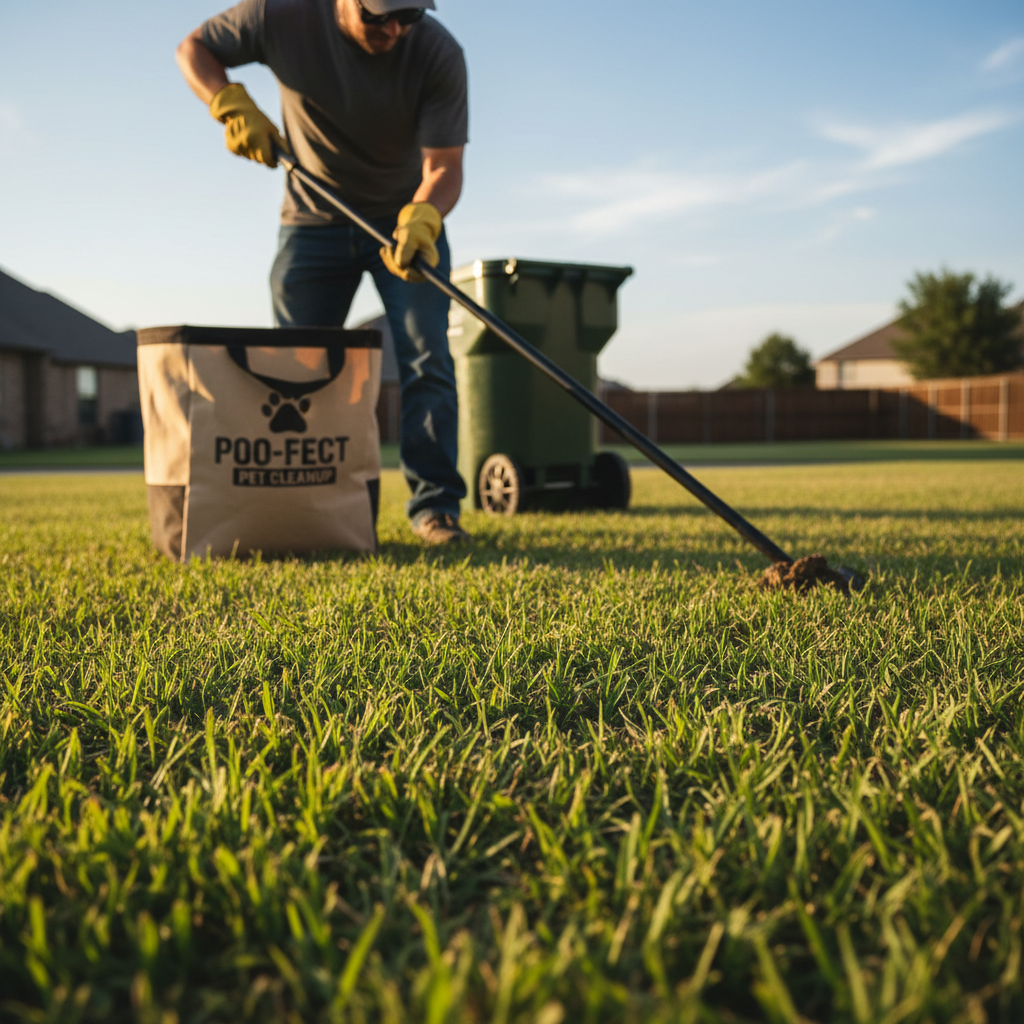
The sheer volume of microorganisms in a single deposit is often underestimated. A single gram of dog waste, roughly the weight of a paperclip, can contain 23 million fecal coliform bacteria. While these numbers are high in any season, the Frisco summer heat acts as a biological turbocharger. In temperatures exceeding 90 degrees, bacterial colonies do not just survive; they can double in size every 20 minutes. This exponential growth turns a single missed spot into a massive reservoir of pathogens within just a few hours.
Specific bacteria such as E. coli, Salmonella, and Campylobacter are particularly resilient in the North Texas climate. These organisms are zoonotic, meaning they can easily transfer from animals to humans through simple contact with contaminated grass. Salmonella, for instance, is notoriously hardy and can persist in the environment even after the visible waste has been removed. Campylobacter, a leading cause of bacterial gastroenteritis, thrives in the warm, moist microclimate found at the base of Frisco lawns. For families with young children or pets, these bacteria pose significant risks of severe illness and dehydration.
A common concern for homeowners is whether breathing in dog feces fumes can be harmful to humans. While the initial odor is caused by the off-gassing of ammonia and methane, the long term risk comes from desiccation. As the intense Texas sun and wind dry out untreated waste, it breaks down into microscopic particles that become airborne dust. This dust can carry active pathogens directly into your respiratory system or settle on outdoor surfaces like patio furniture, grills, and children’s toys.
The persistence of these invisible threats is why simple removal often falls short. Residual bacteria remain embedded in the lawn long after the physical waste is gone. To truly mitigate the dog poop health risks summer heat Frisco Texas residents face, professional deodorizing and sanitizing treatments are necessary to neutralize the microscopic colonies that continue to multiply in the grass. Taking these steps prevents your backyard from becoming a persistent source of infection during the peak of summer.
Parasites and the Persistence of Texas Clay Soil
While bacteria multiply on the surface, a more persistent danger develops beneath the grass line. Frisco is known for its heavy clay soil, which creates a unique set of challenges for pet owners. Unlike sandy soils that drain quickly, clay is dense and non-porous. It traps moisture and microscopic parasite eggs, acting as a protective reservoir. Even after the physical waste is removed, parasites such as Roundworms, Hookworms, and Whipworms remain embedded in the earth, turning your lawn into a long term biohazard.
The intense North Texas sun accelerates the development of these parasites. In cooler months, eggs might remain dormant, but the summer heat serves as a biological incubator. High temperatures significantly shorten the incubation period, allowing eggs to reach an infective stage much faster than they would in the spring. For instance, Hookworm larvae can hatch and become mobile within the soil in just a few days during a July heatwave. This rapid lifecycle increases the dog poop health risks summer heat Frisco Texas families face, as the soil becomes more toxic with every passing day.
For residents in neighborhoods near Stonebriar or The Star, this persistence is a major concern for children playing outdoors. Because kids often sit directly on the grass or touch the ground, they are at the highest risk for accidental ingestion or skin penetration by larvae. Roundworm eggs, in particular, are exceptionally hardy and can survive in Frisco’s clay soil for years. To mitigate these hidden threats, professional deodorizing and sanitizing treatments are essential to address what remains after the scoop. Maintaining flexible scheduling for one-time or weekly visits ensures waste is removed before these parasites can shed into the soil and begin their accelerated incubation process.
The Fly Problem: Why Summer Pests Are More Than Just a Nuisance
The sweltering Frisco summer does not just accelerate bacterial growth; it triggers a population explosion of houseflies and blowflies. Many homeowners ask why flies are worse when dog poop is left outside, and the answer lies in the insect's rapid life cycle. In North Texas, the intense heat allows flies to complete their development from egg to adult in as little as seven days. Fresh pet waste provides the perfect moisture and protein source for these pests to lay hundreds of eggs, creating a self sustaining cycle of infestation in your backyard.
The danger extends far beyond the perimeter of the lawn. Flies are mechanical vectors, meaning they physically carry pathogens on their legs, wings, and mouthparts. After landing on contaminated waste, these insects frequently migrate to patio furniture, outdoor grills, and poolside surfaces. This movement effectively transfers the dog poop health risks summer heat Frisco Texas creates from the grass directly to your active living spaces. Every landing on a table or a beverage container becomes a potential point of infection for Salmonella or E. coli.
To disrupt this cycle, waste must be removed before it becomes a breeding hub. Utilizing flexible scheduling for one-time or weekly visits ensures the primary attractant is gone before the next generation of flies can hatch. Complementing removal with professional deodorizing and sanitizing treatments helps neutralize the pungent odors that draw these pests to your property, protecting the safety of your entire outdoor environment.
Protecting Local Water: From Your Yard to Lake Lewisville
While flies carry pathogens to your patio, Frisco’s sudden summer thunderstorms move the danger much further. The Environmental Protection Agency (EPA) categorizes pet waste as a nonpoint source pollutant, placing it in the same functional category as toxic chemicals, motor oil, and pesticides. When a heavy downpour hits the parched North Texas ground, untreated waste is washed directly into storm drains. These drains do not lead to a treatment plant; instead, they flow straight into local tributaries and eventually into Lake Lewisville.
This runoff introduces excessive levels of nitrogen and phosphorus into our local ecosystem. These nutrients act as a high potency fertilizer for toxic algae blooms. As these blooms grow, they deplete the dissolved oxygen in the water, creating a lethal environment for fish and other aquatic life. Managing the dog poop health risks summer heat Frisco Texas creates is therefore an act of environmental responsibility that extends beyond your property line.
Protecting our shared water supply requires proactive management before the clouds roll in. By utilizing flexible scheduling for one-time or weekly visits, you ensure that waste is removed from the lawn before it can be swept into the municipal drainage system. This consistent maintenance, combined with professional deodorizing and sanitizing treatments, helps safeguard the health of the entire Frisco community and the integrity of our local waterways.
Beyond the Scoop: Why Sanitizing and Deodorizing are Critical in Summer
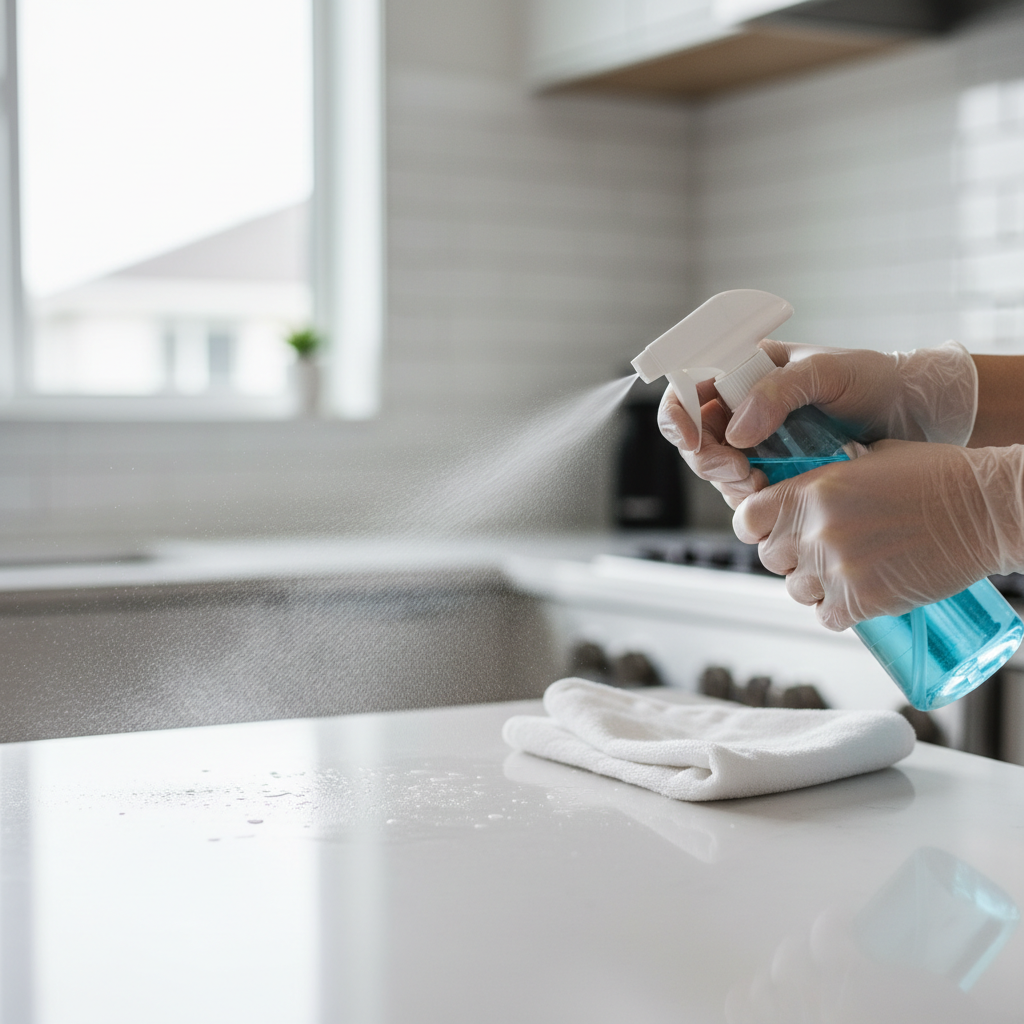
While most homeowners view waste removal as a simple physical chore, removing the visible matter is merely the first step in a complete sanitation process. In the peak of a Texas July, the biological residue left behind is just as hazardous as the waste itself. This is where DIY efforts often fall short. Professional professional deodorizing and sanitizing treatments use EPA registered, pet safe solutions designed to eliminate the microscopic bacteria, viruses, and parasite larvae that scooping simply cannot reach. Without this step, the lawn remains a reservoir for pathogens like Salmonella and Giardia, even if the grass looks clean.
The oppressive Frisco heat also triggers a specific chemical reaction within the lawn. High temperatures cause ammonia, a byproduct of nitrogen breakdown in pet waste, to off gas much more aggressively than in cooler weather. This is why the smell of a yard can become overwhelming within hours of a pet using it. Professional deodorizing is a necessity because standard garden hose rinsing often fails to solve the problem. In fact, adding water to a hot, contaminated area without a neutralizing agent can actually help spread pathogens across a wider surface area, potentially increasing the dog poop health risks summer heat Frisco Texas presents.
By utilizing flexible scheduling for one-time or weekly visits, residents ensure their outdoor space undergoes a clinical level of care. Professional grade products do not just mask scents with heavy fragrances; they chemically neutralize odor molecules and break down the organic compounds that feed odor causing bacteria. This deeper level of clean is what transforms a cleared yard back into a safe, sanitary extension of the home.
Practical Tips for Frisco Homeowners This Summer

Managing a backyard during a North Texas summer requires a shift in strategy to accommodate the faster biological cycles of bacteria and pests. To stay ahead of rapid decomposition, homeowners should increase their waste pickup frequency. While a weekly schedule may suffice in the spring, the 100 degree peak temperatures in Frisco demand a more aggressive approach. Cleaning the yard at least twice weekly minimizes the window for flies to breed and pathogens to leach into the dense clay soil.
Proper lawn maintenance also plays a biological role in yard sanitation. Keeping grass trimmed to a height of two to three inches ensures that any waste is exposed to direct sunlight. The North Texas sun provides intense UV radiation that can help neutralize certain surface level bacteria, though it should never be relied upon as a primary cleaning method. Furthermore, homeowners must ensure pets remain on year round heartworm and intestinal parasite preventatives. This internal defense reduces the likelihood of pets shedding heavy loads of Roundworm or Hookworm eggs into the environment in the first place.
For many, the physical toll of working in the Texas sun is the biggest barrier to a clean lawn. Utilizing flexible scheduling for one-time or weekly visits allows you to maintain a safe environment without risking heat exhaustion. Professional services provide the consistency needed to mitigate dog poop health risks summer heat Frisco Texas residents face daily. If the heat or the biological buildup becomes unmanageable, you can contact Frisco Doody Free to implement a customized plan that includes professional deodorizing and sanitizing treatments. These proactive steps ensure the yard remains a functional, safe space for your family throughout the season.
Keeping your Frisco lawn clear of pet waste is the best way to reduce bacteria and parasites during the intense summer heat. While staying on top of the scooping protects your family and pets, it can often feel like a never-ending chore in the Texas sun. If you want expert help maintaining a clean environment, you can learn more about our mission to keep local yards safe. We are here to ensure your outdoor space remains a healthy place for everyone to enjoy.