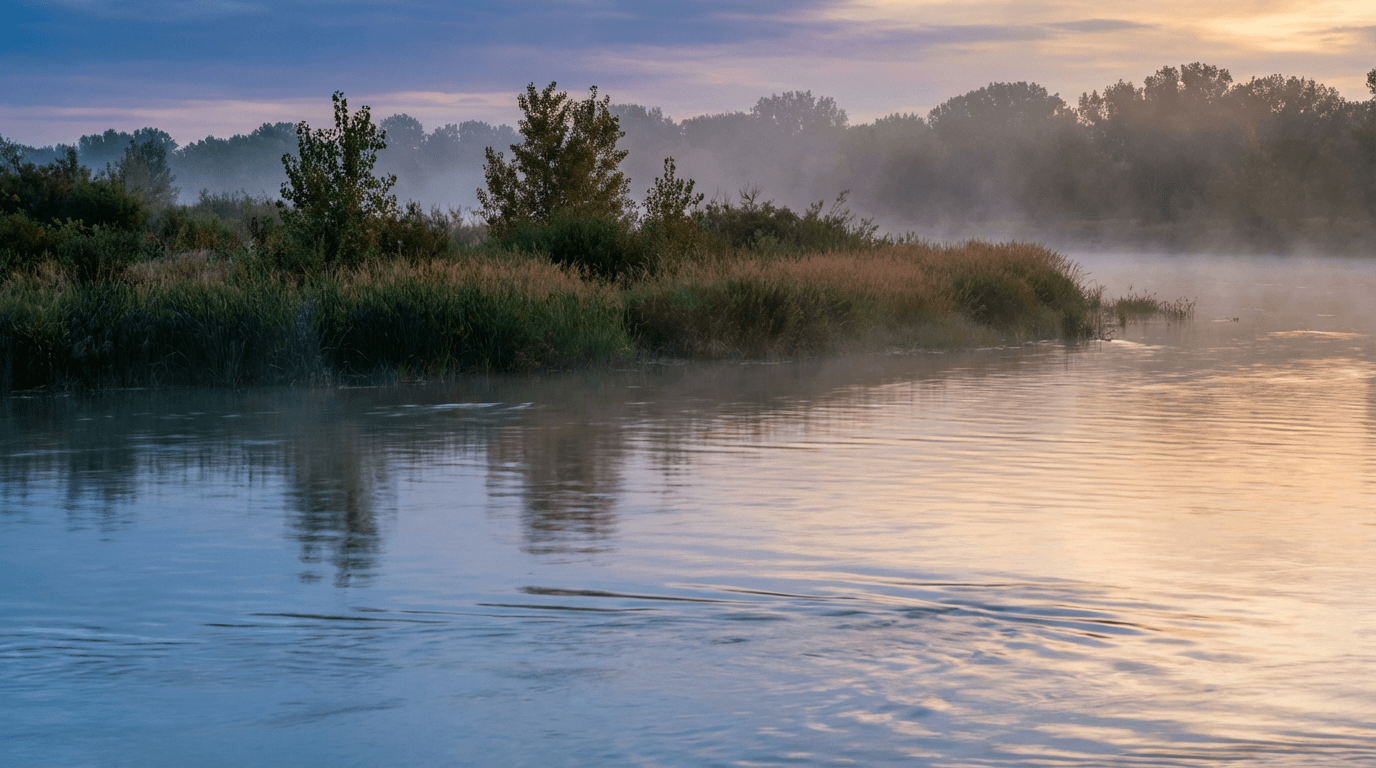

Dog waste stormwater runoff Frisco Texas pollutes local waterways when rain or irrigation carries fecal bacteria and excess nutrients directly into storm drains. This contamination triggers harmful algae growth and depletes oxygen levels required for aquatic life; posing significant health risks to both the environment and the community.
When heavy North Texas rain cycles hit Frisco, many homeowners assume a saturated lawn simply washes away pet waste naturally. In reality, that leftover mess creates a significant environmental hazard for your property and the broader community. Rainwater acts as a transport system; it carries harmful bacteria and excess nitrogen directly from your backyard into local storm drains that feed Lewisville Lake. This process does more than just muddy your lawn; it introduces dangerous biohazards into our shared water supply and local ecosystems. In this guide, we will explore the hidden journey of stormwater runoff and the specific health risks it poses to your family and pets. You will learn about Texas environmental laws and discover practical best practices for managing waste during rainy months. Most importantly, you will see how professional cleanup services like Frisco Doody Free play a vital role in protecting the integrity of our local watershed.
The Hidden Journey: From Your Frisco Backyard to Lewisville Lake
Many Frisco homeowners assume that what happens in their backyard stays there, but the reality is much more mobile. When a North Texas storm rolls through or the irrigation system kicks on, anything left on the grass becomes part of a larger, interconnected system. The impact of dog waste stormwater runoff Frisco Texas is significant because our local infrastructure is designed to move water quickly away from homes to prevent flooding. Unlike the water from your kitchen sink or toilet, which travels through a sanitary sewer system to a treatment facility, the water entering our street gutters receives no filtration at all.
This unfiltered runoff flows directly into the storm drain system and out into our local waterways. Frisco contains over 147 miles of streams, including major arteries like White Rock Creek. These streams act as a direct conveyor belt for pollutants, eventually feeding into larger reservoirs like Lewisville Lake. This is a critical point for the community to understand, as Lewisville Lake serves as the primary source of drinking water for millions of residents across North Texas.
Without intervention, the bacteria and pathogens from untreated lawns travel miles downstream, affecting the quality of the water we rely on every day. Maintaining a clean yard is not just about home aesthetics; it is a vital step in protecting the regional watershed. Homeowners can mitigate these risks by scheduling professional pet waste removal services to ensure their yards are cleared before the next rain event moves through Collin County. Ensuring these contaminants never reach the street is the first line of defense for our local ecosystem.
The Science of a Single Gram: Why Dog Waste is a Biohazard
A common misconception among homeowners is that dog waste acts as a natural fertilizer. In reality, dog waste is a highly concentrated biohazard that is fundamentally different from the waste produced by local wildlife. While deer or rabbits consume native plants and return those same nutrients to the soil, domestic dogs are fed protein-rich, processed diets. This results in waste that is acidic and far too potent for North Texas lawns. Instead of helping your grass grow, the high levels of nitrogen and phosphorus in pet waste actually burn the turf and create a chemical imbalance in the soil.
The sheer volume of pathogens contained in such a small amount of material is staggering. Scientific research confirms that a single gram of pet waste contains an average of 23 million fecal coliform bacteria, including E. coli. When these microbes are left on the ground, they don't simply disappear. This is why the cumulative effect of dog waste stormwater runoff Frisco Texas neighborhoods experience can lead to significant public health concerns. These bacteria are hardy and can survive for weeks in the suburban environment until they are washed into our shared waterways.
Beyond bacteria, dog waste is a primary vector for various zoonotic diseases and parasites. Pathogens like Campylobacteriosis and Salmonellosis are frequently present, posing risks to both humans and other pets. Furthermore, parasites such as Toxocariasis, commonly known as roundworm, produce eggs that are incredibly resilient. These eggs can persist in the soil and water for years, even after the original waste has fully decomposed. Relying on professional pet waste removal services is the most effective way to ensure these biological threats are physically removed from your property before they can compromise the local environment. Keeping these contaminants out of the soil is a crucial step in maintaining a healthy backyard and a clean community.
How Stormwater Runoff Impacts Frisco Ecosystems
When pathogens and excess nutrients enter the Trinity River watershed, they initiate a destructive environmental chain reaction known as eutrophication. The nitrogen and phosphorus found in pet waste do not function as beneficial fertilizer for local flora; instead, they act as a high potency fuel for invasive weeds and algae blooms. As these contaminants flow through our neighborhood drainage systems, they accumulate in local ponds and slow moving creeks. This creates thick mats of algae that block essential sunlight from reaching deeper aquatic life.
The most significant damage occurs when these algae blooms eventually die and begin to decompose. The bacteria responsible for breaking down the organic matter consume vast amounts of dissolved oxygen, leaving little behind for fish and other native species. This process also triggers the release of harmful ammonia into the water. In Frisco, our consistently high temperatures accelerate these biological processes. Because warm water naturally holds less oxygen than cooler water, the addition of dog waste stormwater runoff Frisco Texas ecosystems face can quickly turn a healthy pond into a dead zone.
The result of this nutrient overload is often seen in localized fish kills and the degradation of our beautiful community waterways. Preventing this ecological decline requires a proactive approach to lawn maintenance. By opting to view our pricing plans, homeowners can ensure their properties are regularly cleared of waste, effectively cutting off the pollution at its source before it ever reaches the Trinity River watershed. Consistent removal is the only way to protect the delicate balance of our North Texas aquatic environments.
Health Risks for Families and Pets Near Frisco Waterways
The ecological damage to our streams translates directly into health risks for local families and their pets. When bacteria counts spike due to dog waste stormwater runoff Frisco Texas residents often encounter in neighborhood parks or greenbelts, the water becomes a significant vector for illness. A frequent concern for parents is whether local creeks are safe for wading. Unfortunately, high concentrations of fecal coliform bacteria mean that even brief contact with contaminated runoff can result in painful skin reactions or severe gastrointestinal distress.
The danger is not limited to the water itself. Intense North Texas rainstorms create enough surface flow to transport pathogens from a neighbor’s backyard directly into your own lawn or a shared community space. Parasites like Giardia and roundworms are particularly resilient; their eggs can persist in moist soil for months, long after the original waste has vanished. If a child or pet accidentally ingests contaminated soil or water, they risk contracting zoonotic diseases such as Salmonellosis or Campylobacteriosis. To mitigate these microscopic threats, many homeowners view our pricing plans to ensure their yards are professionally cleared on a regular basis. Physical removal is the only reliable way to prevent these parasites from migrating across property lines and compromising the safety of the places where our families play.
Texas Laws and Homeowner Responsibilities in Frisco
Managing pet waste in North Texas is not just a matter of neighborly etiquette; it is a component of local regulatory compliance. The City of Frisco operates under a Municipal Separate Storm Sewer System (MS4) permit issued by the Texas Commission on Environmental Quality (TCEQ). This permit mandates that the city implement rigorous programs to reduce the discharge of pollutants into our local waterways. Under these guidelines, pet waste is classified as a significant contributor to non-point source pollution, which occurs when rainfall picks up contaminants from private yards and carries them into public drains.
Homeowners bear the legal and social responsibility to prevent these pollutants from entering the 147 miles of streams that crisscross our city. When waste is left to decompose on a lawn, it becomes an illicit discharge once the next storm hits. To help maintain these standards, the city provides the myFrisco app, allowing residents to report stormwater issues or improper disposal practices. To ensure your property remains compliant and environmentally sound, many residents utilize professional pet waste removal services to maintain a clean barrier between their backyard and the street gutter. This proactive approach directly reduces the impact of dog waste stormwater runoff Frisco Texas ecosystems must endure, fulfilling a vital role in regional water conservation efforts.
Best Practices for Managing Pet Waste During North Texas Rain Cycles
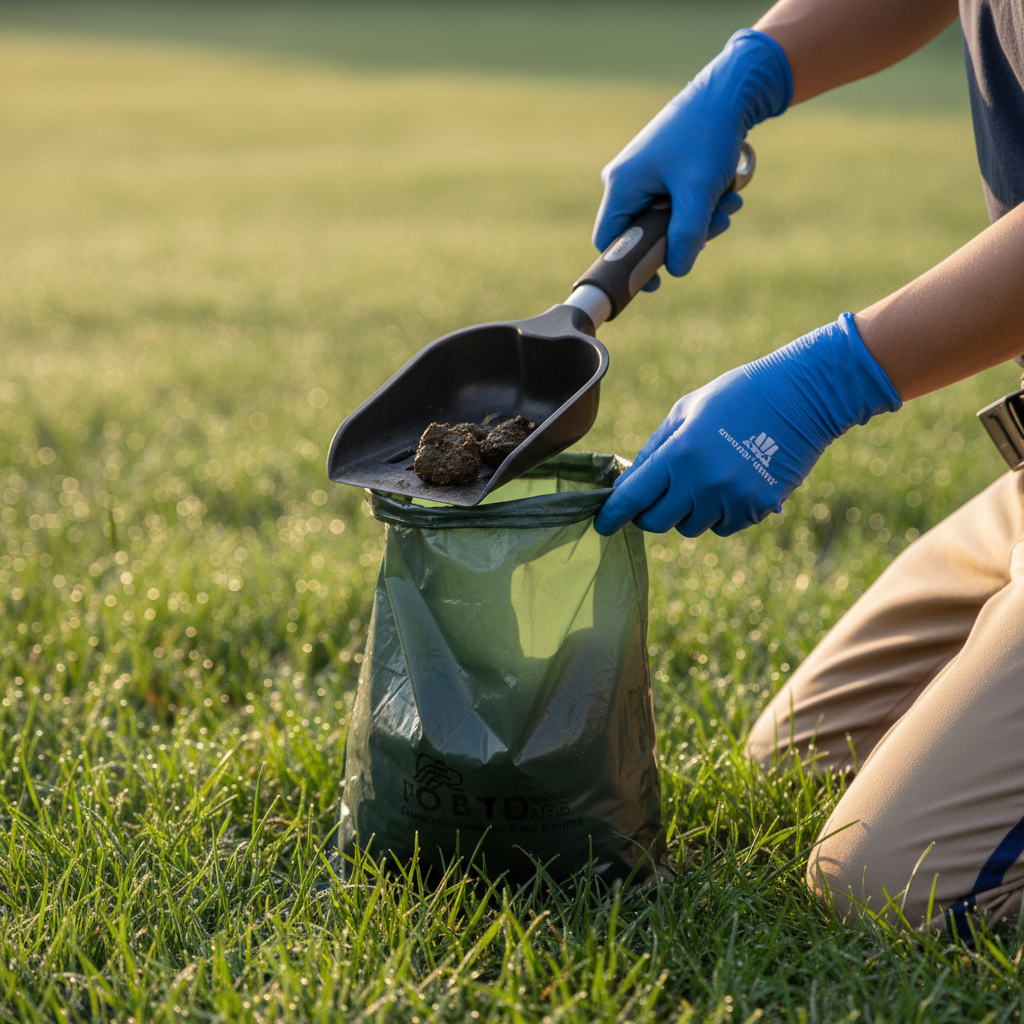
Effective management of pet waste requires adjusting your routine to match the North Texas climate. While a weekly cleanup is a standard baseline, it often falls short during the rainy season or when automatic sprinklers are active. Any delay allows moisture to break down solid waste, accelerating the contribution to dog waste stormwater runoff Frisco Texas streams must process. To mitigate this, consider increasing your frequency of pickup before forecasted storm fronts move through the area.
A common mistake is attempting to compost dog waste for backyard gardens. Residential compost piles simply do not reach the high temperatures necessary to neutralize pathogens and parasites. The safest disposal method is to bag the waste securely and place it in your regular trash bin. For the most reliable protection, many homeowners utilize professional pet waste removal services to ensure their lawn is clear on a consistent schedule. You can view our pricing plans to find a frequency that prevents accumulation before the next heavy rain hits Collin County.
How Frisco Doody Free Protects Our Local Watershed
Frisco Doody Free operates as a dedicated environmental partner for our community by mitigating pollution at its source. While many view yard cleanup as a mere aesthetic chore, our professional pet waste removal services serve as a proactive safeguard for the regional water supply. By ensuring that waste is physically removed before the next storm hits, we significantly decrease the volume of dog waste stormwater runoff Frisco Texas streams and reservoirs must absorb.
Standard scooping often leaves behind microscopic traces of fecal coliform that can eventually leach into the ground. To address this risk, we offer professional sanitizing and deodorizing treatments designed to break down the invisible bacteria and pathogens that simple removal might miss. We prioritize convenience through flexible scheduling, allowing homeowners to align service frequency with the intense North Texas rain cycles. To secure your property against the next weather front, you can view our pricing plans and choose a schedule that protects both your lawn and our local watershed.
Protecting Frisco's water quality begins with the simple act of clearing pet waste from your lawn before the rain arrives. This small routine prevents bacteria from entering our local ecosystems and ensures our community remains a healthy place to live. If you find it challenging to maintain this schedule on your own, expert support is always available. You can learn more about our dedicated team and how we help homeowners keep their yards clean and our local waterways safe.