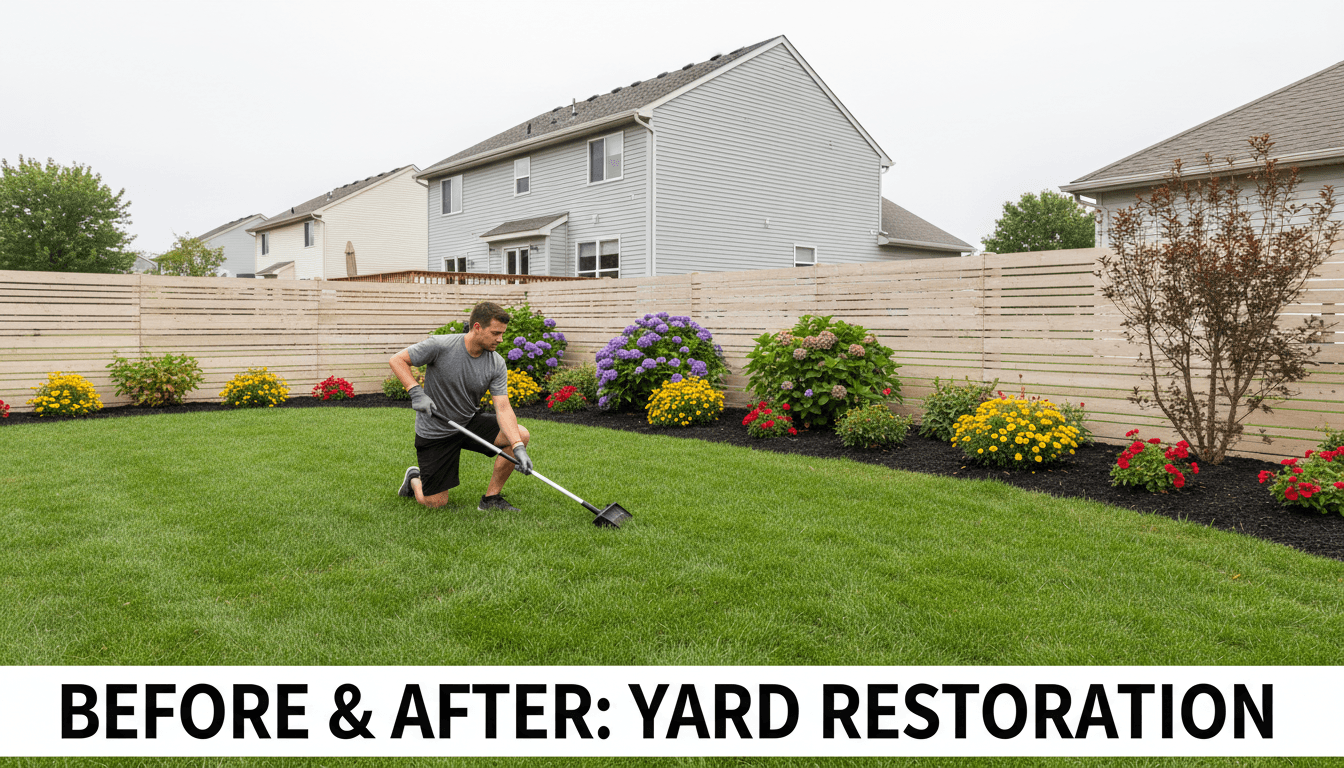

A clean yard protects dog health parasite reinfection Frisco Texas by eliminating hazardous waste that harbors pathogens like roundworms and parvovirus. Removing feces prevents these parasites from contaminating the soil and reinfecting pets during play; this proactive maintenance is crucial for breaking the cycle of recurring illnesses in local outdoor spaces.
Every dog owner in Frisco knows the frustration of a costly vet visit followed by a round of dewormers, only to have the same symptoms reappear weeks later. You follow the treatment plan perfectly, yet the cycle of reinfection seems impossible to break. The truth is that your North Texas backyard often acts as a reservoir for microscopic threats like hookworms and Giardia; these parasites thrive in our local soil long after the waste is gone. At Frisco Doody Free, we understand that a truly healthy pet requires a sanitary environment. This guide explores the hidden dangers lurking in Frisco yards and how specific habits like coprophagia accelerate infection. You will learn how to identify persistent soil borne parasites, the zoonotic risks to your family, and the professional sanitization steps necessary to finally break the cycle of reinfection for good.
The Invisible Threat in Frisco Backyards
Many dog owners in Frisco find themselves trapped in a frustrating loop. They notice symptoms like lethargy or digestive distress, visit a local veterinarian for treatment, and follow the deworming or antibiotic schedule perfectly. Yet, just weeks after the all-clear, the same parasites reappear. This recurring nightmare often stems from a simple reality: while the vet treats the dog, the backyard remains an active reservoir for infection.
In Frisco, Texas, our unique environmental conditions contribute to the persistence of these microscopic threats. The North Texas climate, characterized by intense heat followed by periods of heavy moisture, creates an ideal incubation environment for many pathogens. Our local clay-heavy soil also plays a role, acting as a protective substrate that can shield parasite eggs from the elements. Even after visible waste is removed, microscopic eggs from roundworms or resilient Giardia cysts can remain viable in your grass for months or even years.
Understanding how a clean yard protects dog health parasite reinfection Frisco Texas pet owners face is the first step toward a permanent solution. Relying solely on medical intervention only addresses half of the problem. To fully break the cycle, you must manage the environmental load of pathogens. Utilizing professional pet waste removal services ensures that waste is cleared before it has the chance to break down and leach these invisible threats into your lawn.
The Frustrating Cycle: Why Your Dog Keeps Getting Parasites
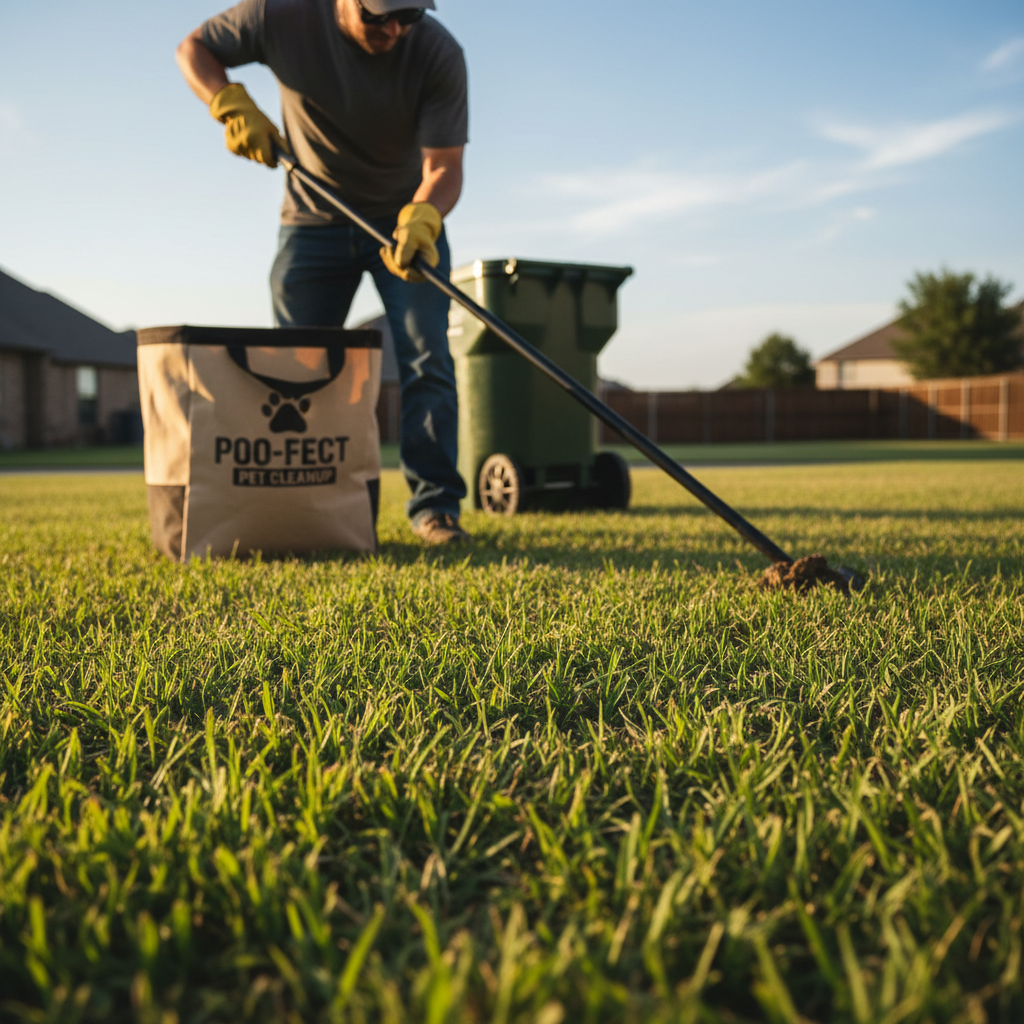
The Parasite Reinfection Cycle is a biological loop that often makes veterinary treatments feel like a temporary fix. When an infected dog defecates, they shed thousands of microscopic eggs, larvae, or cysts into the lawn. These pathogens do not vanish when the solid waste breaks down; instead, they migrate into the thatch layer of the grass. Even if your veterinarian successfully deworms your pet, the yard remains a high risk zone. As your dog explores, they inevitably step in contaminated areas or sniff spots where waste previously sat. When they later lick their paws or groom themselves, they ingest the parasites once again, restarting the infection process immediately.
This cycle explains why medical treatment without environmental management is only half the battle. Breaking this loop requires a proactive approach, as a clean yard protects dog health parasite reinfection Frisco Texas yards often host by stopping the contamination at the surface level. By utilizing professional pet waste removal services, you ensure the waste is cleared before eggs have the chance to leach into the soil or cling to the grass blades.
Contrast this with a yard where waste is left for days or weeks. In those environments, the soil becomes a permanent reservoir for pathogens that can survive long after the dog is cured. A managed strategy ensures that your investment in veterinary care is not wasted on a pet that will simply be reinfected during their next potty break. Consistent removal is the most practical way to bridge the gap between clinical health and environmental safety. You can view our pricing to see how regular maintenance plans help break this cycle for your family.
A Guide to Frisco North Texas Persistent Soil Borne Parasites
To effectively manage your lawn, you must first identify the specific biological threats that call North Texas home. Many Frisco residents assume the intense summer sun acts as a natural disinfectant, yet several soil borne parasites have evolved to survive, or even flourish, in our specific climate. Understanding these organisms is essential because a clean yard protects dog health parasite reinfection Frisco Texas homeowners often face by eliminating the source before it becomes a permanent part of the landscape.
Roundworms are among the most common and stubborn invaders. Their eggs possess a sticky, protective outer shell that allows them to remain viable and infectious in the Frisco clay for several years. Even if visible waste has long since decomposed, the eggs remain in the thatch, waiting for a host. Hookworms present a different tactical challenge; their larvae hatch in the soil and have the ability to penetrate a dog's skin directly. A dog does not even need to ingest them to become infected; simply walking across a contaminated patch of grass allows the larvae to enter through the paw pads.
Whipworms are notoriously difficult to eradicate because they are resistant to many standard environmental cleaners and can survive for long periods in the dirt. Meanwhile, Giardia is a microscopic protozoan that thrives in moisture. In the well irrigated lawns of Frisco, Giardia cysts can linger in damp shaded areas, near sprinkler heads, or in low spots where water collects after a North Texas thunderstorm.
It is a common misconception that our triple digit summer temperatures will kill off these threats. In reality, many parasite eggs are highly resistant to desiccation; the warmth can actually speed up their development once they find a host. This biological resilience is why physical removal is the only certain way to stop the spread. Utilizing professional pet waste removal services ensures that the waste is gone before these parasites can migrate into the soil. For yards that have already dealt with a known infection, applying sanitizing and deodorizing treatments can help neutralize the microscopic remnants that a simple scoop cannot reach. You can view our pricing to find a maintenance plan that keeps your backyard from becoming a reservoir for these persistent North Texas parasites.
The Coprophagia Connection: Why Poop Eating Accelerates Infection
Beyond the microscopic threats hidden in the soil, some dogs engage in a behavior known as coprophagia, or eating stool. While many owners find this habit repulsive, it is often a behavioral or nutritional instinct that presents a significant medical risk. When a dog consumes waste, they are not just ingesting unpleasant material; they are taking in concentrated doses of bacteria and pathogens like E. coli and Salmonella. For a pet already struggling with an internal imbalance, this behavior acts as a fast track for acute illness.
This habit significantly accelerates the cycle of illness. A single stool can contain millions of parasite eggs or active larvae. When consumed directly, these organisms bypass the environmental waiting period and go straight to the digestive tract. This is where a clean yard protects dog health parasite reinfection Frisco Texas pets often endure by removing the primary source of temptation. Traditional home remedies like adding dietary deterrents or pumpkin to food often fail if the yard is not consistently cleared, as the availability of the waste outweighs the deterrent.
The most effective way to break a coprophagia habit is through strict environmental management. By utilizing professional pet waste removal services, you ensure that there is nothing left in the grass for your dog to find during their solo time outdoors. You can view our pricing for routine maintenance that keeps your lawn clear, significantly reducing the risk of your dog ingesting the very pathogens your veterinarian is working to eliminate.
Zoonotic Risks: Protecting the Whole Frisco Family
The health risks associated with unmanaged pet waste extend far beyond the canine members of your household. Many of the pathogens found in North Texas lawns are zoonotic, meaning they are diseases or parasites that can pass from animals to humans. This is a particular concern for families in Frisco where backyards often serve as primary play areas for children. Because young children are more likely to touch the ground and then their mouths, they are at a higher risk of accidental ingestion of microscopic eggs.
Roundworms are a primary example of this threat. If a human ingests roundworm eggs from contaminated soil, the larvae can migrate through the body, causing serious issues in internal organs or even permanent vision loss. Hookworms also pose a direct risk; their larvae can penetrate bare skin, leading to itchy, painful infections known as cutaneous larval migrans. By maintaining a sanitary environment, you ensure a clean yard protects dog health parasite reinfection Frisco Texas residents must avoid for the sake of the entire family.
Relying on professional pet waste removal services creates a vital buffer between these environmental hazards and your loved ones. Consistent cleanup effectively lowers the biological load in your grass, making the backyard a safe space for both paws and feet. You can view our pricing for a maintenance schedule that prioritizes your family's safety. Protecting human health and animal health are not separate tasks; they are achieved through the same disciplined approach to yard hygiene.
How Professional Sanitization and Removal Breaks the Cycle
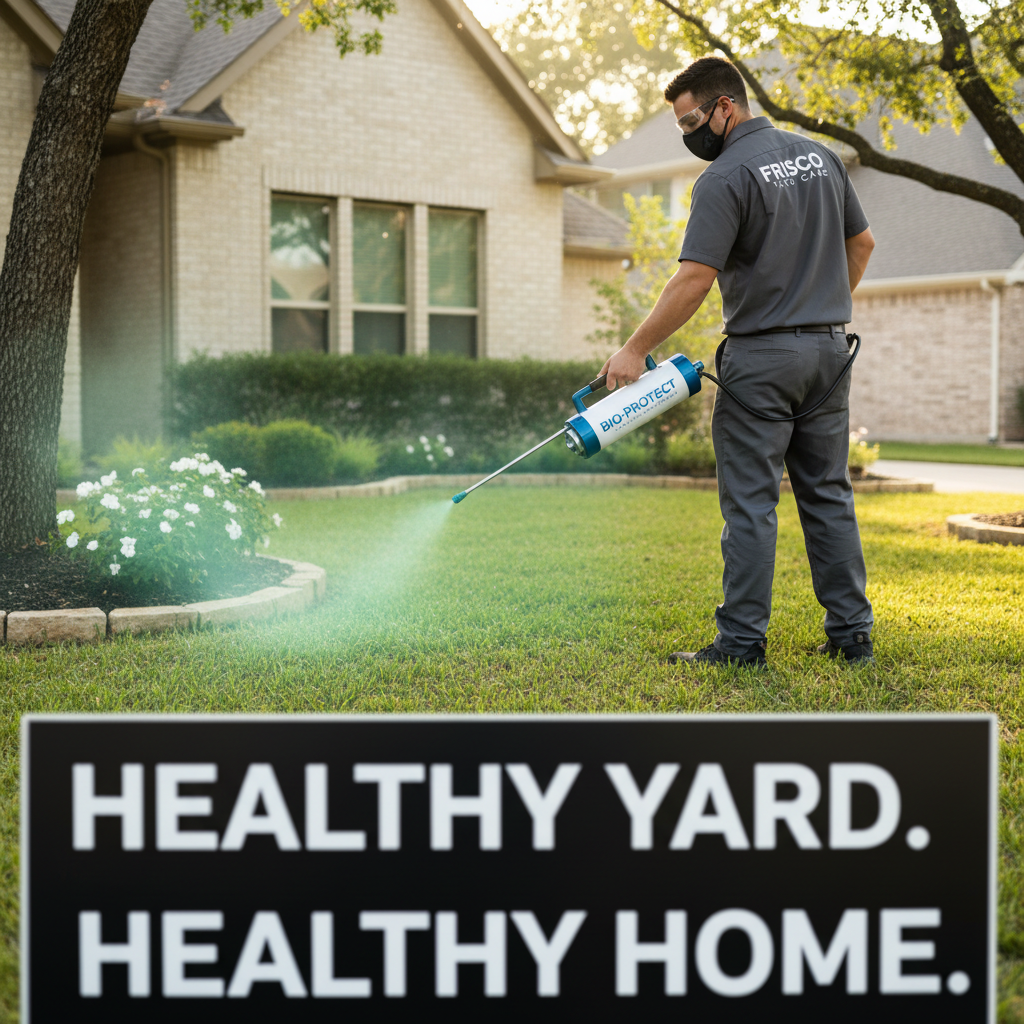
Professional scooping at Frisco Doody Free provides a level of protection that irregular DIY cleanup often misses. While picking up visible piles is a start, it does not address the microscopic residue left behind on the grass blades. Our professional pet waste removal services prioritize consistency, which is vital for managing the shedding window of parasites. Because many internal parasites produce eggs that require a specific period in the environment to become infectious, weekly or bi-weekly visits ensure waste is removed before pathogens can migrate into the turf or attach to paws.
Additionally, our sanitizing and deodorizing treatments target bacteria and protozoa at the microscopic level. These applications address resilient threats like Giardia or E. coli that thrive in damp North Texas clay and shaded lawn areas. This dual approach ensures a clean yard protects dog health parasite reinfection Frisco Texas pets are susceptible to by eliminating both the visible waste and the invisible biological load. You can view our pricing to select a maintenance schedule that maintains a safe, sanitized environment for your family.
How to Sanitize Your Yard After a Dog Has Worms
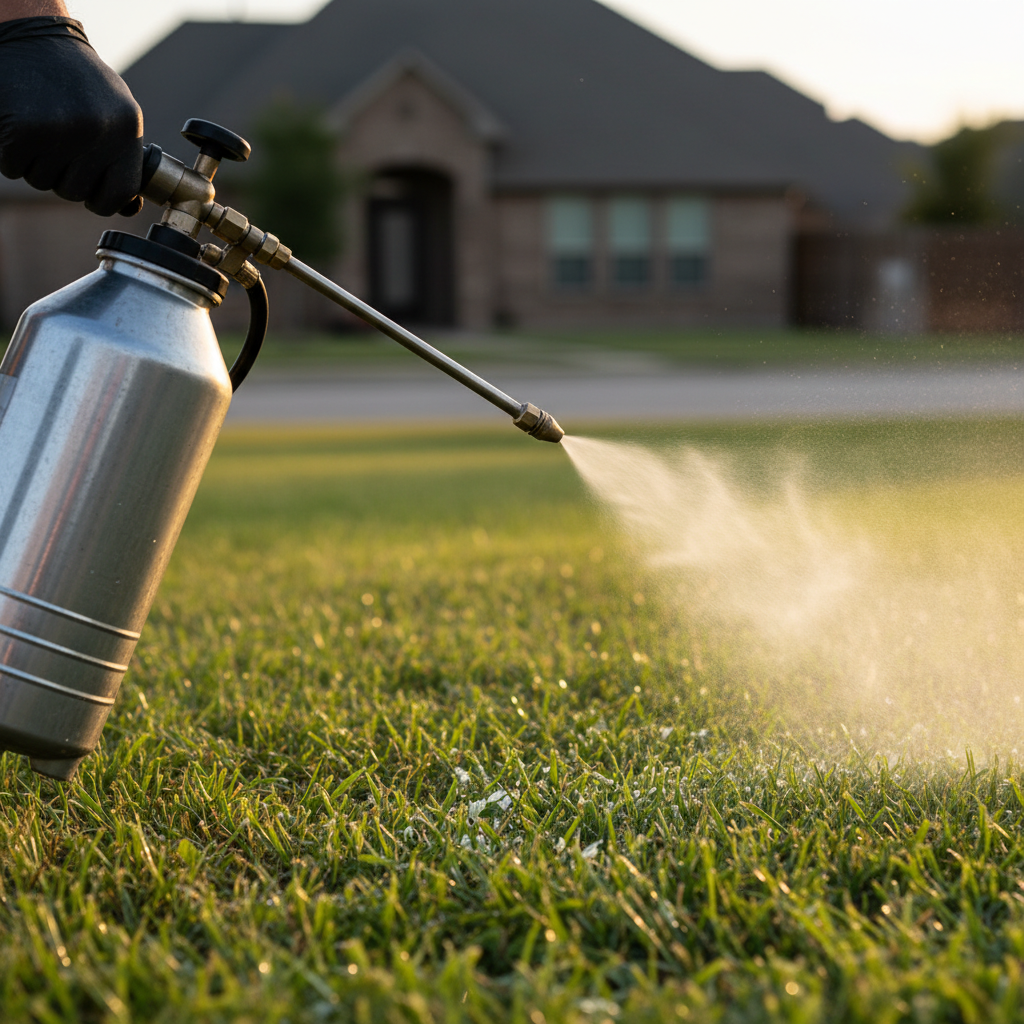
Once your vet confirms a parasite diagnosis, prompt environmental action is necessary to stop the cycle. Start by removing every trace of visible waste immediately. Because larvae and eggs can migrate into the soil quickly, a thorough sweep of the entire lawn is more effective than spot cleaning. For sanitizing, avoid undiluted bleach. It is too harsh for Frisco’s common Bermuda and St. Augustine grasses, often leading to permanent yellow patches or dead turf. Instead, opt for specialized dog-safe disinfectants or enzymatic cleaners designed to neutralize pathogens without destroying your lawn.
A clean yard protects dog health parasite reinfection Frisco Texas pets are vulnerable to by eliminating the biological load at the source. If you are managing a recent diagnosis, scheduling a one-time deep clean is the most practical first step. Utilizing professional pet waste removal services ensures all contaminated material is hauled away safely and completely. Combining this with sanitizing and deodorizing treatments targets the microscopic level, providing a sterile environment for your pet’s recovery. You can view our pricing to find the right service level for your family’s needs.
Keeping your yard clear of waste is the most effective way to break the cycle of parasite reinfection and ensure your dog stays healthy in the Frisco heat. Consistency is the key to preventing soil contamination and protecting your family; however, finding the time for daily scooping can be difficult. If you would like expert help maintaining a pristine environment for your pets, we are happy to assist. You can read more about our local mission to keep North Texas lawns safe and clean.