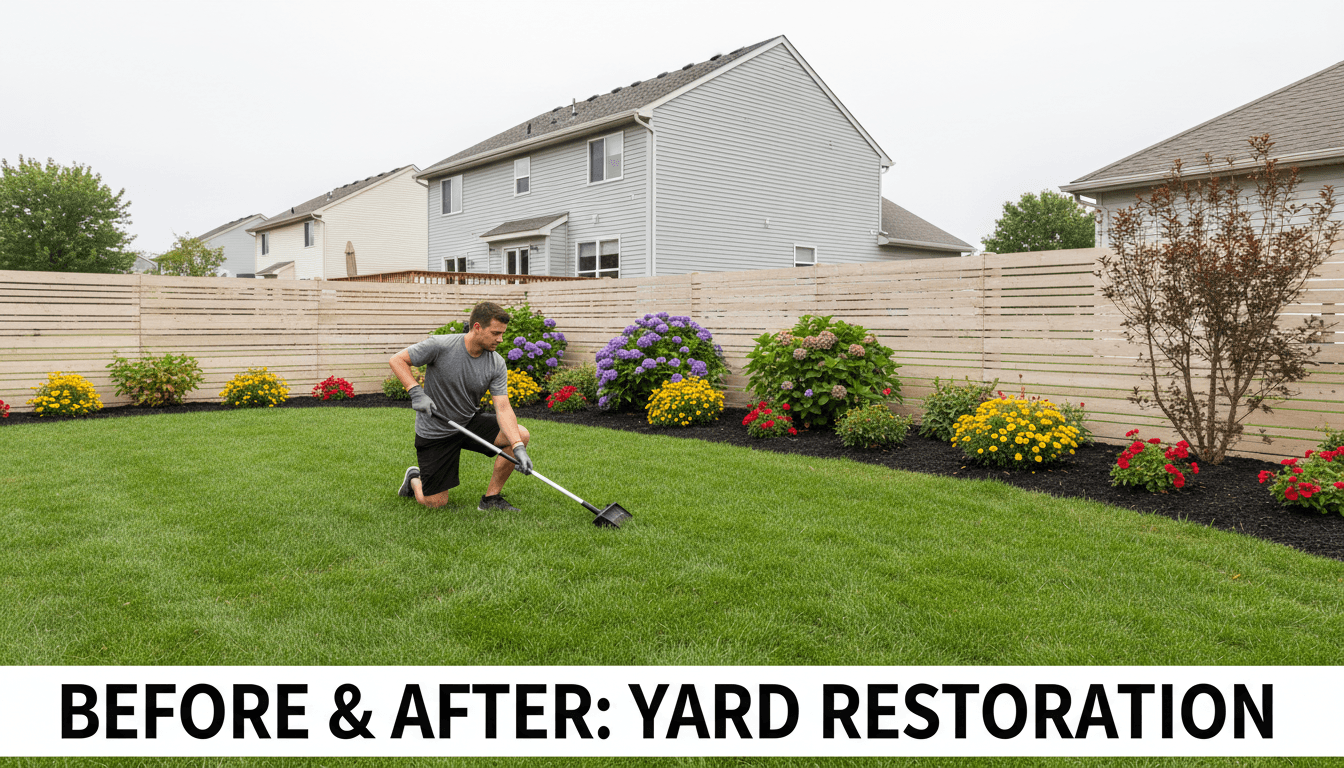

Dog waste is dangerous for children because it carries harmful parasites and bacteria that can contaminate the soil for extended periods. Parents can mitigate dog waste dangers kids family yard safety Frisco Texas by ensuring frequent waste removal to prevent the spread of pathogens like E. coli and roundworms. Maintaining a clean yard is essential for protecting young children who often touch the ground or play barefoot in communal outdoor spaces.
Your Frisco backyard should be a sanctuary for your children to play freely, yet a hidden danger often lurks beneath the grass. For many local families, the constant battle against dog waste is more than a simple chore; it is a critical health concern. When pet waste is left to linger, it transforms your lawn into a breeding ground for harmful pathogens and parasites that can easily transfer to your kids during outdoor play. Understanding the specific risks, from common bacteria to soil-borne roundworms, is essential for maintaining a safe home environment. In this guide, we will explore the biological threats present in Frisco soil, identify high-risk contamination zones like sandboxes, and provide practical strategies to sanitize your yard. By moving beyond basic scooping, you can ensure your outdoor space remains a healthy, pristine retreat for your entire family.
The Suburban Sanctuary: Why Frisco Backyards Might Harbor Hidden Health Risks
In neighborhoods like Stonebriar or Phillips Creek Ranch, the backyard often serves as a private oasis for Frisco families. These manicured lawns are where children take their first steps and spend summer afternoons playing. However, the high density of dog owning households in our North Texas communities creates a significant, often invisible, challenge. While a yard may look pristine after a quick mowing, the microscopic reality of pet waste tells a different story.
The primary concern for local parents is that dog waste is not merely an unsightly mess or a smelly nuisance; it is a legitimate biohazard. Unlike manure from herbivores, canine waste is highly acidic and packed with pathogens that can persist in the soil long after the physical pile has disappeared. For those prioritizing dog waste dangers kids family yard safety Frisco Texas, it is critical to understand that your lawn can harbor millions of fecal coliform bacteria. These microorganisms pose a direct threat to child health, especially when outdoor play involves direct contact with the grass.
Transitioning from a perceived safe zone to a source of infection happens quickly without flexible weekly and bi-weekly scheduling for waste removal. Understanding this biological load is the first step in maintaining a truly healthy home environment for your family. Simply avoiding visible piles is rarely enough to protect children who are frequently in direct contact with the turf.
Common Pathogens in Dog Poop: What is Actually Living in Your Grass
To understand why dog waste is classified as a nonpoint source pollutant, we must look at the sheer volume of microorganisms it carries. A single gram of dog waste, roughly the weight of a paperclip, can contain 23 million fecal coliform bacteria. This concentration is significantly higher than what is typically found in waste from livestock, making it a concentrated source of infection in a confined suburban backyard.
Among these millions of bacteria are E. coli and Salmonella. In children, these pathogens often manifest as sudden gastrointestinal distress, fever, and nausea. Because toddlers frequently engage in hand to mouth behavior after touching the grass or shared toys, the transmission cycle is incredibly short. These bacteria thrive in the warm, moist environments often found near Frisco irrigation systems, allowing them to multiply quickly if the waste is not removed promptly.
It is vital to differentiate between bacteria and parasites when considering dog waste dangers kids family yard safety Frisco Texas. While bacteria like Salmonella may eventually die off after prolonged exposure to intense Texas UV rays, protozoa such as Giardia and various parasite eggs are far more resilient. Giardia is a microscopic parasite that causes severe, chronic diarrhea and is notoriously difficult to eradicate once it settles into the lawn.
The real danger lies in the biological construction of parasite eggs. Unlike bacteria, which are relatively fragile, parasite eggs are encased in tough, protective shells designed to withstand environmental extremes. While the visible waste might disappear after a heavy rain, these eggs remain viable and infectious in the soil for months or even years. This persistence is why professional sanitizing and deodorizing treatments are a necessary step beyond simple scooping. Removing the physical pile is only the first half of the process; neutralizing the microscopic layer of pathogens left behind is what truly creates a safe environment for play.
The Parasite Problem: Roundworms, Hookworms, and Frisco Soil
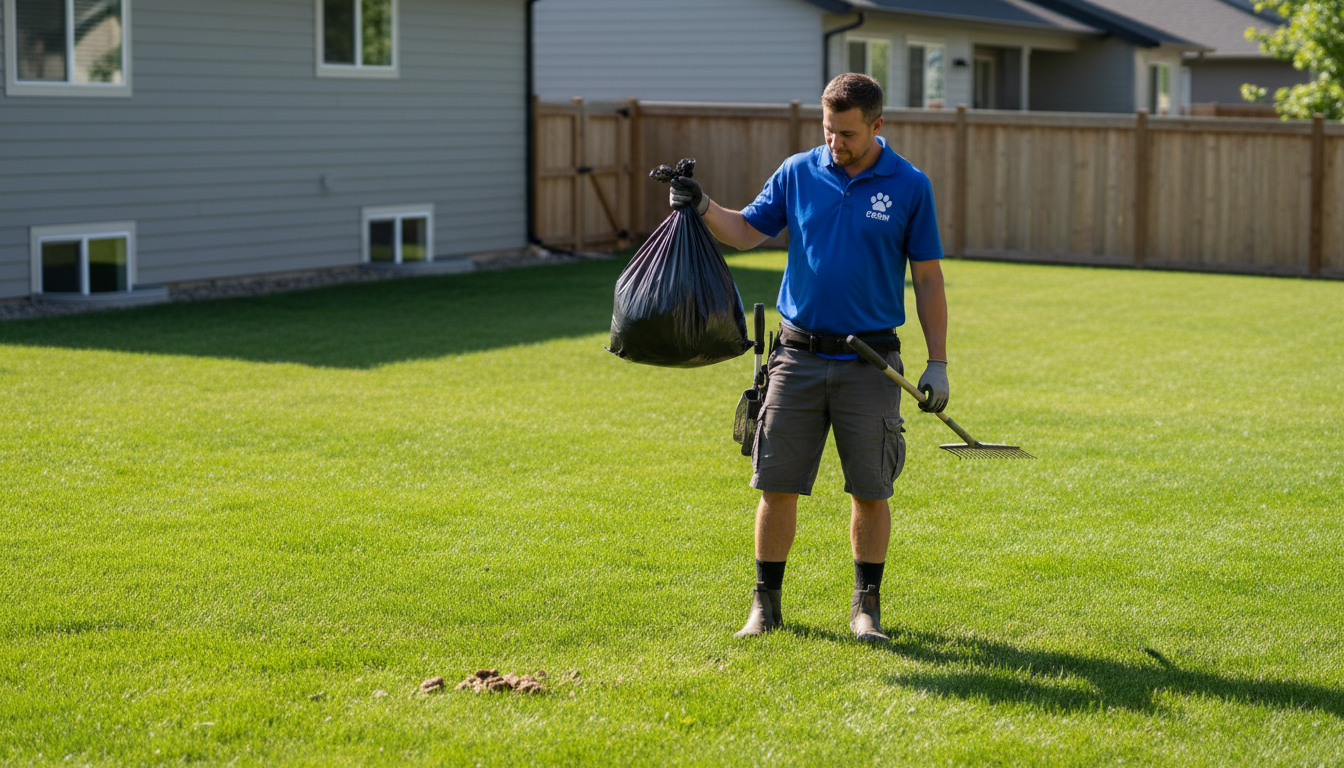
While bacteria represent an immediate threat, zoonotic parasites like Toxocara canis (roundworms) and hookworms present a long-term challenge for Frisco yard safety. These parasites are particularly resilient because their lifecycle relies on soil transition. When waste is left on the lawn, roundworm eggs shed by the dog can mature and become infectious within the turf. Unlike many other pathogens, these eggs are encased in a hardy shell that resists extreme temperature fluctuations and even many common household cleaners.
The specific geology of North Texas plays a direct role in this risk. Frisco is situated on the Blackland Prairie, characterized by heavy, dark clay soil. This clay is known for its high moisture retention properties. While sandy soils in other regions might dry out quickly and kill off parasite larvae through desiccation, Frisco clay stays damp and cool beneath the surface. This creates a protected, humid nursery where hookworm larvae can survive and remain active much longer than they would in drier environments.
Parents often ask: how long is dog poop dangerous? The answer is often surprising. While the physical organic matter may decompose and disappear from sight within a few weeks, the parasites left behind are far more persistent. Roundworm eggs can remain viable and infectious in Frisco soil for three to five years. This means a yard can remain a health risk long after the visible mess is gone. Utilizing flexible weekly and bi-weekly scheduling ensures waste is removed before these eggs can leach into the heavy clay. This proactive approach is the most effective way to address dog waste dangers kids family yard safety Frisco Texas and maintain a truly clean environment for outdoor play.
Why Children are Most at Risk for Dog Waste Related Illness
The persistent nature of parasites in Frisco soil creates a specific set of risks for children due to both their biology and their play habits. Toddlers and young children are physically closer to the ground, often crawling or sitting directly on the grass where pathogens concentrate. This proximity increases the likelihood of coming into contact with contaminated dirt. Furthermore, the natural hand to mouth behavior of young children serves as a direct delivery system for microscopic eggs and bacteria. Even if a child does not touch a visible pile, they may touch a toy or a blade of grass that has been cross-contaminated by irrigation runoff or foot traffic.
Barefoot play also introduces risks. Certain larvae, such as hookworms, can penetrate the skin directly upon contact with infested soil. More concerning is the accidental ingestion of roundworm eggs, which can lead to a condition known as visceral larval migrans. In this process, the larvae hatch and travel through the body's tissues. While this is a serious medical concept, it highlights why professional intervention is necessary for long-term health. Recognizing that dog waste dangers kids family yard safety Frisco Texas concerns are rooted in these innate behavioral patterns helps parents prioritize more frequent, professional cleanings.
Relying on the strategy of just avoiding the pile is an insufficient safety measure for Frisco families. Because pathogens are microscopic and highly mobile in a backyard environment, the entire lawn must be treated as a potential contact zone. Maintaining flexible weekly and bi-weekly scheduling for waste removal ensures that waste is intercepted before it can break down and spread these invisible threats across the areas where your children play.
Backyard Sandboxes and Play Sets: The Hot Zones for Contamination
The most concentrated risk often exists where children spend the most time: the sandbox and the area surrounding play sets. In Frisco, many residential yards use wood mulch or loose sand to provide a soft landing surface under swings and slides. Unfortunately, these materials are highly attractive to dogs as litter box environments. Because sand and mulch are easy to dig in, pets often gravitate toward these zones to defecate. This behavior effectively buries pathogens deep within the play area, making them impossible to spot during a casual yard sweep.
For parents managing dog waste dangers kids family yard safety Frisco Texas, treating these hot zones requires specific maintenance strategies. A sandbox should always be covered with a tight-fitting lid when not in use to prevent neighborhood pets or local wildlife from using it as a latrine. For play sets with mulch, the porous nature of the wood chips allows liquid waste and bacteria to seep into the lower layers. Replacing mulch every one to two years is a safety necessity, as it removes the accumulation of organic matter that fuels bacterial growth. Combining these habits with professional sanitizing and deodorizing treatments ensures that even the most high-traffic play areas remain hygienic for your family. If you have concerns about existing contamination in your play areas, contact Frisco Doody Free to discuss a deep cleaning plan for your backyard.
Is Breathing Dog Poop Fumes Harmful to Humans?
While the physical presence of waste in play areas is the primary concern, the resulting odors often prompt questions about air quality. In the open air of a typical North Texas backyard, the trace amounts of methane and ammonia released during decomposition are generally not concentrated enough to be toxic. However, these fumes serve as a biological indicator that active bacterial breakdown is occurring on your turf.
The intense Frisco summer heat significantly accelerates this process; high temperatures cause organic matter to decay rapidly, which intensifies the smell and indicates a spike in microbial activity. For parents managing dog waste dangers kids family yard safety Frisco Texas, a strong odor is a clear sign that pathogens are multiplying near high-traffic zones. Addressing the smell requires more than just masking it with garden-variety sprays. Utilizing professional sanitizing and deodorizing treatments is essential because it neutralizes the odor at its source by breaking down the volatile organic compounds and killing the bacteria responsible for the scent. This ensures the environment is truly sanitized rather than just superficially freshened.
Texas Law and Frisco Community Standards for Pet Waste
Texas does not have a single, statewide mandate governing pet waste; however, the City of Frisco maintains clear ordinances regarding public health and sanitation. Local regulations classify uncollected dog waste as a nuisance because it facilitates vector control issues, attracting flies, cockroaches, and rodents into suburban neighborhoods. For parents managing dog waste dangers kids family yard safety Frisco Texas, these rules serve as a baseline for community well-being. Many Frisco Homeowners Associations (HOAs) implement even stricter bylaws to ensure that individual yards do not compromise the health of the entire block.
Professional removal also addresses the broader environmental impact on North Texas. When heavy rains hit the Frisco area, fecal bacteria wash into storm drains and eventually into local waterways like Lake Lewisville. Proactively managing waste prevents your backyard from becoming a source of nonpoint source pollution. Adopting flexible weekly and bi-weekly scheduling ensures your home remains in good standing with both city inspectors and your neighbors while keeping the local ecosystem clean.
Professional Sanitization vs. Basic Scooping: Creating a Safe Zone
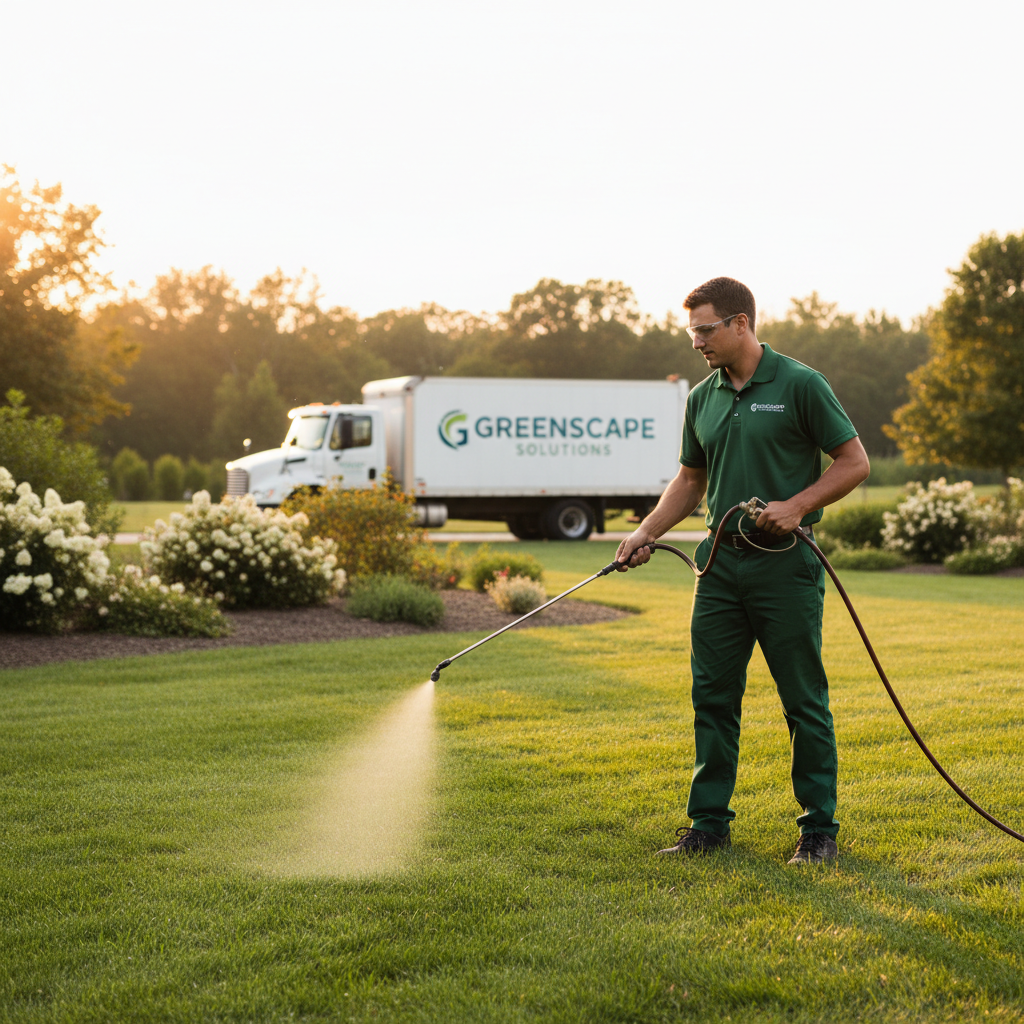
Most Frisco homeowners assume that a clean-looking lawn is a safe lawn. However, basic scooping only removes the macroscopic problem. When a dog defecates, the waste immediately begins to liquefy and seep into the grass blades and the top layer of soil. Even after the solid matter is bagged and removed, a high concentration of bacteria and parasite eggs remains behind in a residue that is invisible to the naked eye. This biological footprint is where the real dog waste dangers kids family yard safety Frisco Texas concerns persist, as children often roll or crawl through the exact spots where waste previously sat.
Professional sanitization creates a critical barrier between your family and these pathogens. Frisco Doody Free utilizes professional sanitizing and deodorizing treatments that involve specialized, EPA-registered disinfectants. Unlike standard household sprays or garden-variety deodorizers, these industrial-grade formulas are engineered to break down volatile organic compounds and neutralize hardy pathogens on contact. These treatments are specifically selected because they are tough on microscopic threats like Salmonella while remaining completely safe for children and pets once the application has dried. By opting for professional intervention, you are moving beyond simple maintenance and into a true sanitization protocol, ensuring that the invisible threats left in the local clay are thoroughly addressed.
Practical Tips for Parents to Maintain a Family-Safe Yard

While professional sanitization provides a baseline of safety, daily management is the final layer of protection for your household. Because the microscopic threats associated with dog waste dangers kids family yard safety Frisco Texas are persistent in our local soil, parents should adopt specific routines to minimize exposure during and after outdoor play.
Establish a Designated Potty Spot: Train your dog to use a specific, far corner of the yard, ideally away from play sets, sandboxes, and high-traffic turf areas. This concentrates the biological load in one manageable zone and keeps the primary play areas cleaner.
Enforce a No-Shoes Policy: Pathogens like roundworm eggs and hookworm larvae cling to the soles of shoes. By leaving outdoor footwear at the door, you prevent tracking contaminated Frisco clay into your carpets and living spaces where infants often crawl.
Prioritize Immediate Hand Washing: Ensure children wash their hands with soap and warm water immediately after coming inside. This simple step effectively interrupts the hand-to-mouth transmission cycle of E. coli and Salmonella that can occur if a child touches a contaminated toy or blade of grass.
Break the Parasite Life Cycle: Most parasite eggs require several days in the environment to become infectious. Implementing flexible weekly and bi-weekly scheduling for waste removal ensures that waste is cleared before these pathogens have the chance to mature and leach into the ground.
Consistent adherence to these practical steps, paired with professional cleanup, ensures your backyard remains a true sanctuary for your children.
Protecting your children from the health risks associated with pet waste is vital for a safe Frisco home. Keeping your lawn free of bacteria and parasites ensures that your family can enjoy the outdoors without concern. If you want expert help maintaining a pristine yard, finding a reliable partner makes all the difference. You can learn more About our team and our dedication to backyard safety online. We strive to provide peace of mind for local parents who value a clean, healthy environment for their kids to play in every day.